
'/%3E%3C/svg%3E)

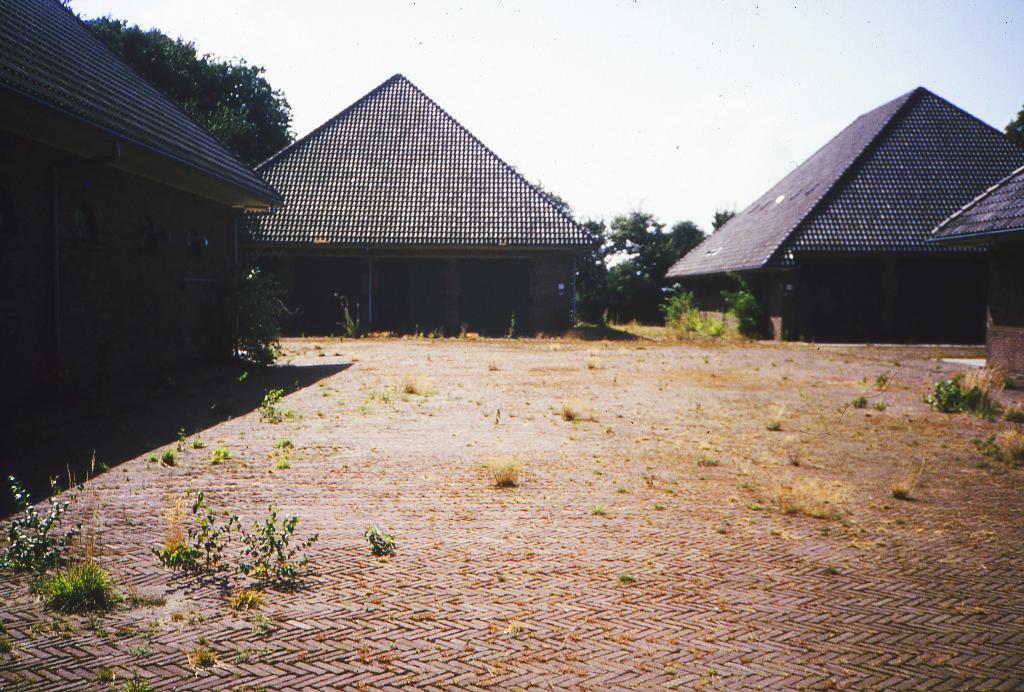
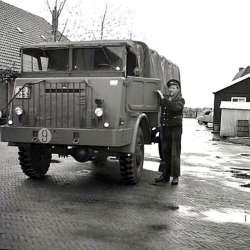
These four storage sheds on the Gesterweg were built in 1937 and were used as warehouses for the Defense Line Den Oever. The thirteen casemates around the Stevin locks are part of the Defense Line of Den Oever. These bunkers were the heaviest ever built by the Dutch armed forces for defence. These four sheds were part of a complex of six sheds and a house on Gesterweg. The warehouses were camouflaged as farms, making them as inconspicuous as possible in the landscape and from the air. On August 28, 1939, the general mobilization of the Dutch army started to prevent a German invasion. The Defense Line of Den Oever was reinforced with two artillery weapons. After the German invasion in 1940, the German soldiers took possession of the position and it became a guarded crossing point. When the German attack stopped after the defeat at El Alamein and Stalingrad, the position was again fully manned and reinforced with artillery from 1943. Den Oever thus became part of the Atlantic Wall. That was a 5,000-mile defense line. The warehouses on Gesterweg were used by the German occupiers throughout the war. After World War II, ties between the Soviet Union and Western Europe and the United States deteriorated. NATO was founded in 1949. NATO military leadership expected a Soviet attack to come unexpectedly. The leadership wanted the troops to be ready to repel any attack. All these troops had to be quickly resupplied and it was decided to set up mobilization complexes (MOB complex). Stocks were stored in these complexes. These supplies were necessary so that sufficient material, weapons, ammunition, medicines and food were stored in the event of a war. In some cases, such as in Den Oever, existing defense components were (re)used. From 1952 to 1960, the Den Oever position was manned again because of the Cold War. The complex on Gesterweg had been taken into use as a MOB complex. Military vehicles were stored on the ground floor. Fuel and food were stored on the floor. The ammunition was in the basement. In 1989 there was an end to the Cold War. From this moment on it was no longer necessary in the Netherlands to store military supplies in Den Oever. Much material was disposed of, but the sale took several years, which is why most of the complexes were still in use well into the 1990s. The complex on Gesterweg was split in 1995 into four lots, each with a building. It was sold by the State Department of Domains to private individuals. Sources The architectural-historical research of MOOI Noord-Holland into one of the warehouses. https://defensiefotografie.nl/mob-complex/mob/den-oever/
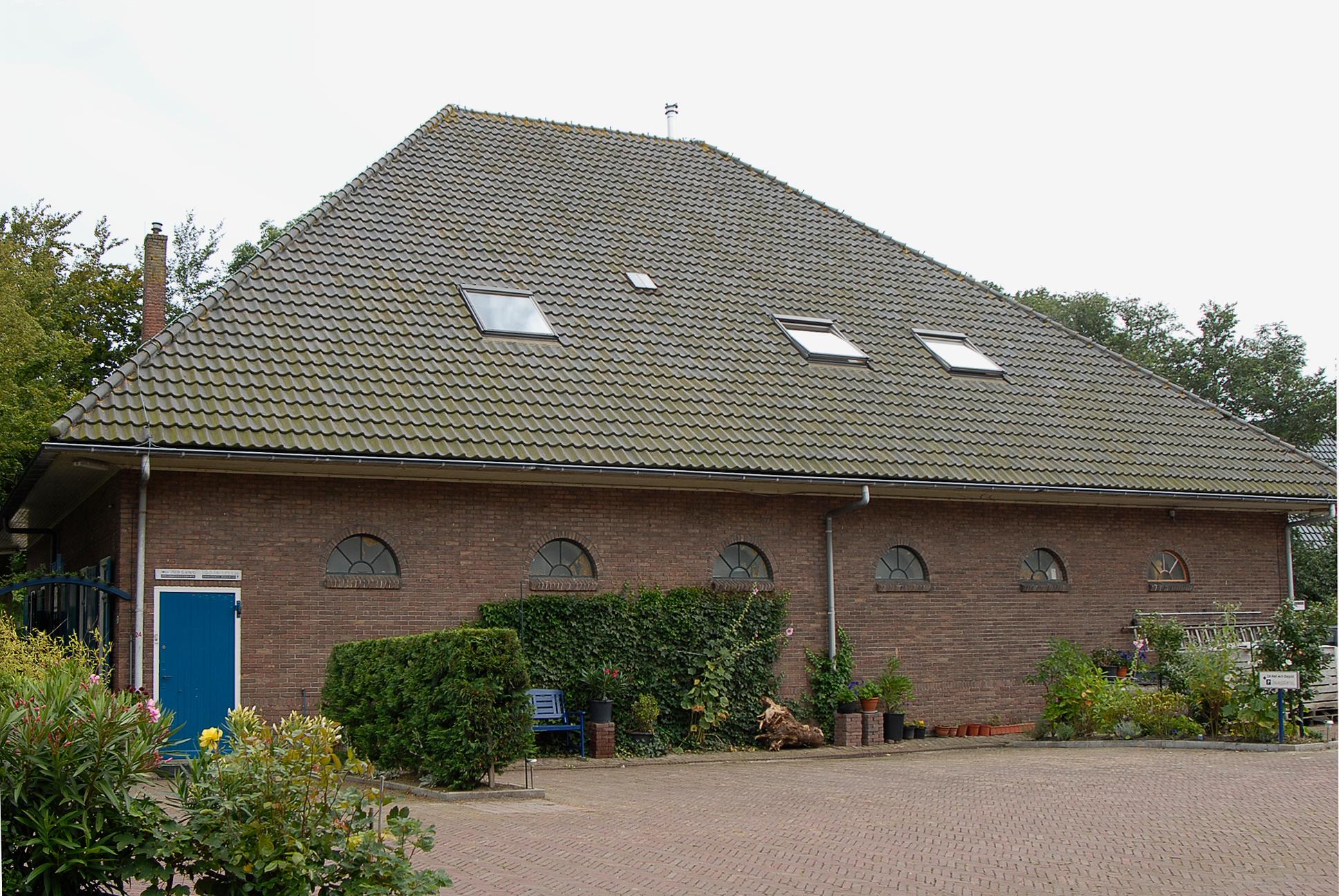

Magazijnen – Gesterweg 22
Nearby locations
-
Seal Tour SWRW
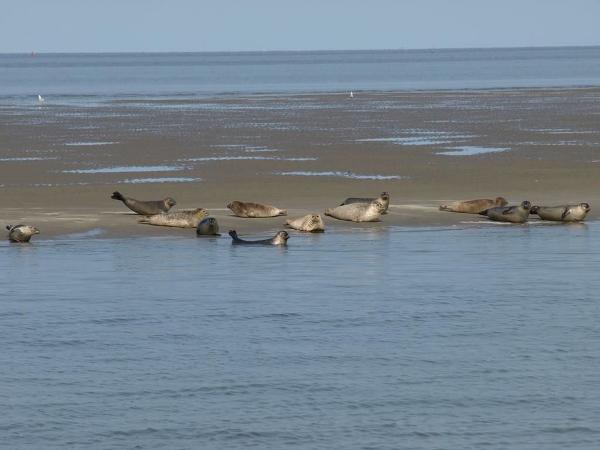
A 2,5 hour tour that begins in harbor of Den Oever (Oostkade) and goes along the sluice at the beginning of the Dam, then along to the tidal banks where different species of birds are foraging and resting. After about half an hour we reach the seals. You can admire them in their natural setting.
-
Sportvisserijbedrijf G.M. Kooij
-
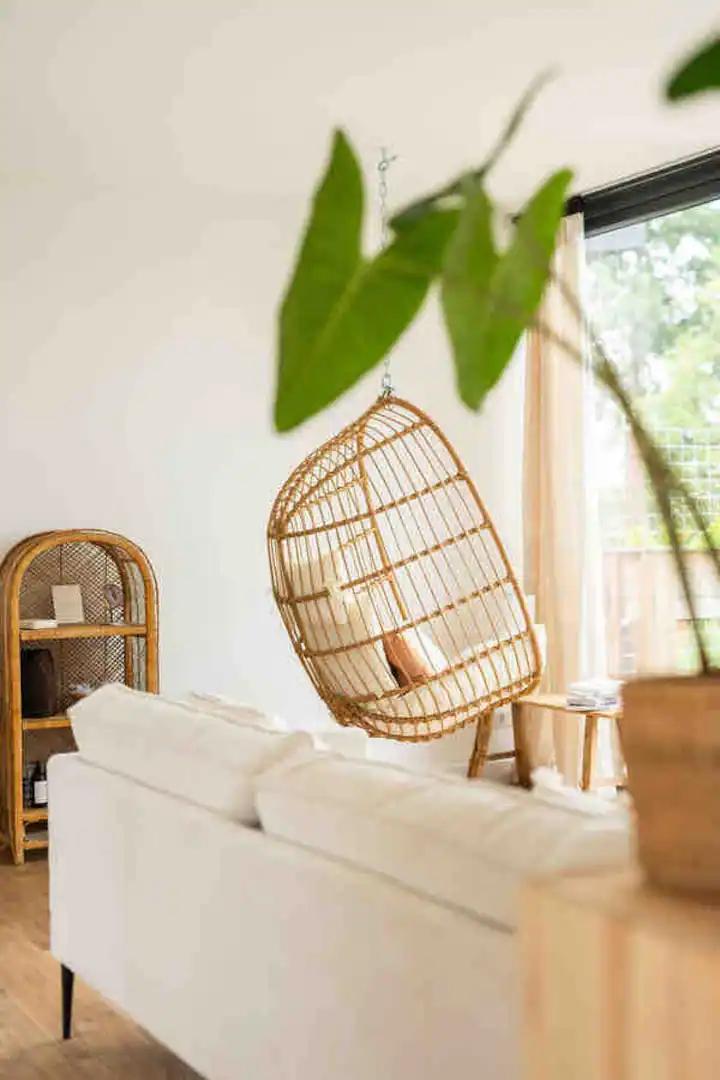
Casa Luz
Casa Luz means Light House. And that is one of the characteristics of this holiday home: the beautiful incidence of light. The garden with a view over the meadows is located on one of the oldest dikes in the Netherlands, where the sheep regularly walk past in spring and summer. In the living room is our favorite spot: the hanging chair. Are you taking a bath or under the outdoor shower? This is where you can relax!
-
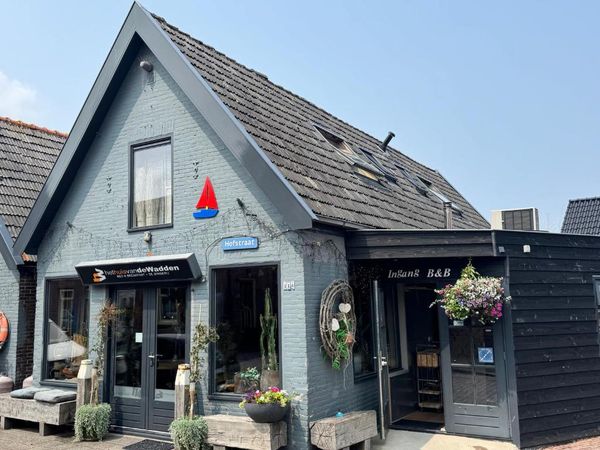
Het Huis van de Wadden
Welcome to the unique b&b The House of the Wadden. 2 houses joint together. One a former cheese shop and the other an old village inn where you still can find the old details and atmospere of the former island Wieringen. What makes it so unique? The bright and happy coulors. A well filled library with lots of information on the Wadden, art and a wonderful readingtable. A kitchen where you can cook yourself. Possibility to make an adventures tour on the Waddensea.
-
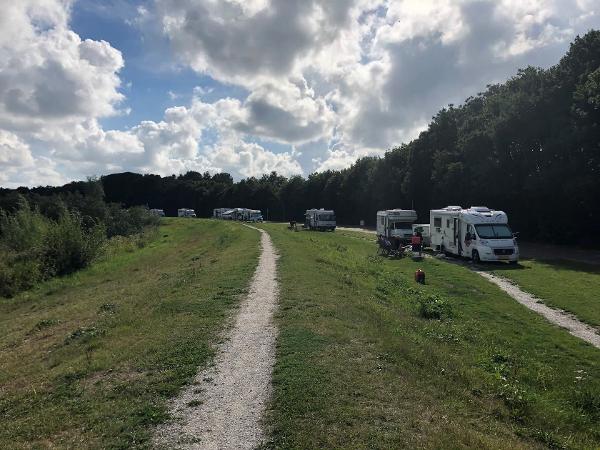
Camperlocation Zuiderstrand
This child-friendly camper location has an unobstructed view over the Zuiderhaven. Here is a beach with swimming water, picnic tables and playground equipment. The harbor, a supermarket and various dining options are within walking distance.
-
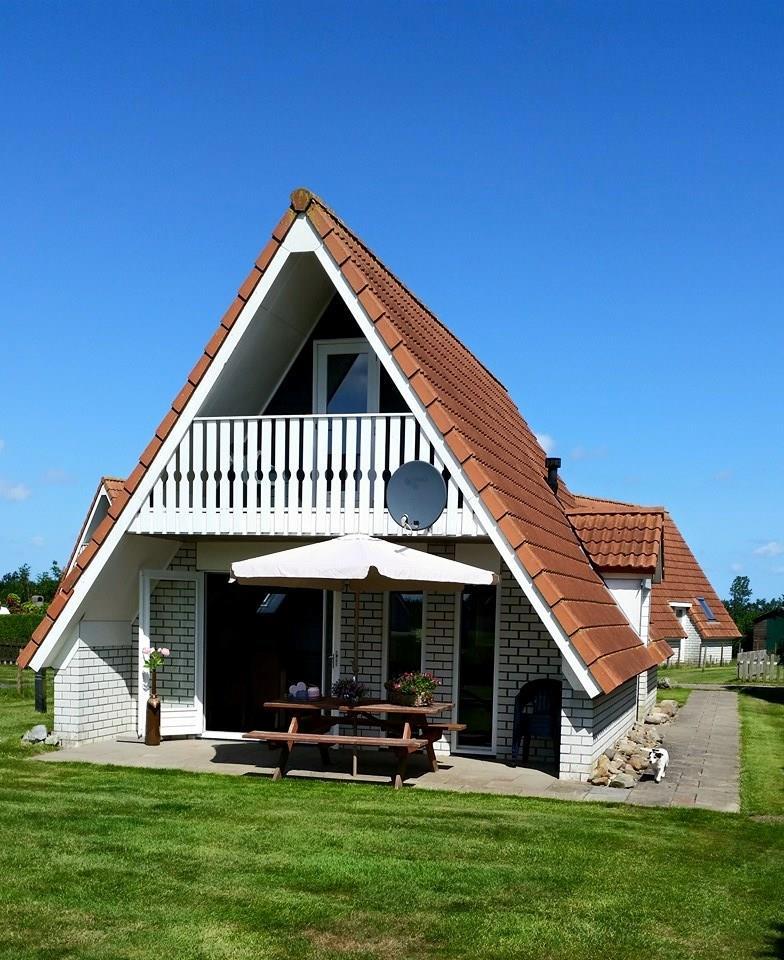
De Wierdijk
-
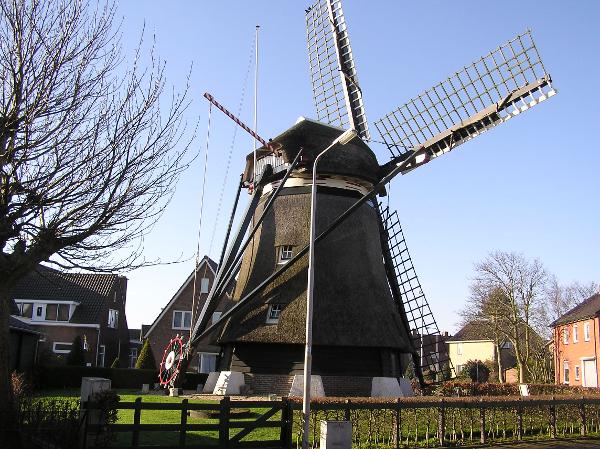
De Hoop
Corn mill De Hoop was probably built around 1654. Since 2015, the mill has been milling again and runs weekly thanks to the efforts of volunteers.
-
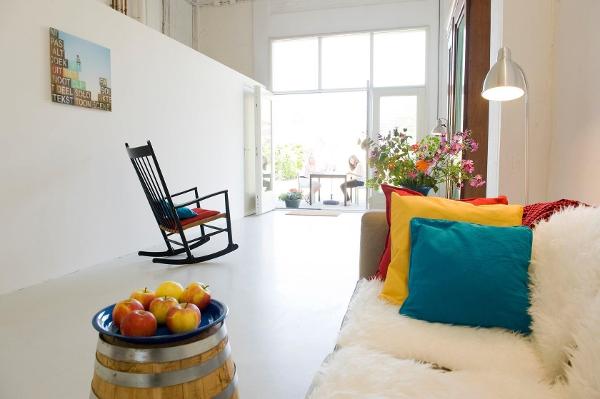
B&B De Gest
Studio Gest is located in a former warehouse and has its own entrance and consists of a large, high living room of approx 60m2 with underfloor heating. The studio has a private terrace and can accommodate two persons. Possibly there may be a bed or cot to be put. The studio is suitable for those seeking tranquility, business people, bird watchers, cyclists, walkers and parents with young children. You can relax but also work quietly. The studio is equipped with shower and toilet, a kitchen and coffee maker. There is a TV and free Wi-Fi. 2 bikes are at your disposal.
-
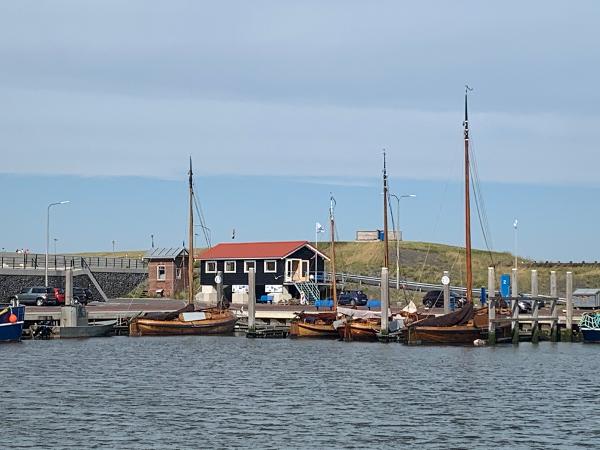
Foundation for Shelter Nautical Heritage Wieringen (ONEW)
At the Historical Corner of the Vissershaven in Den Oever, next to the water level house from 1919, is a workshop and meeting space. This building serves to support the activities around the ships berthed in the Historical Corner.