



-
B&B Groepsaccommodatie Veldzicht
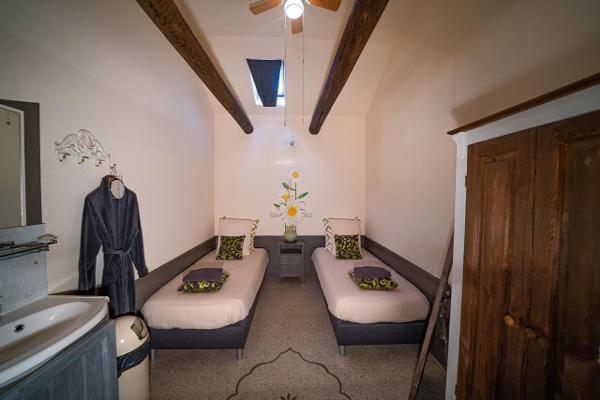
Group accommodation Veldzicht is located in the middle of the northern part of North Holland, in a rural area in an agricultural area, 800 meters from the 126 km long West Frisian Omringdijk which embraces the "Westfriesland" area.
-
“Kustwachttoren”
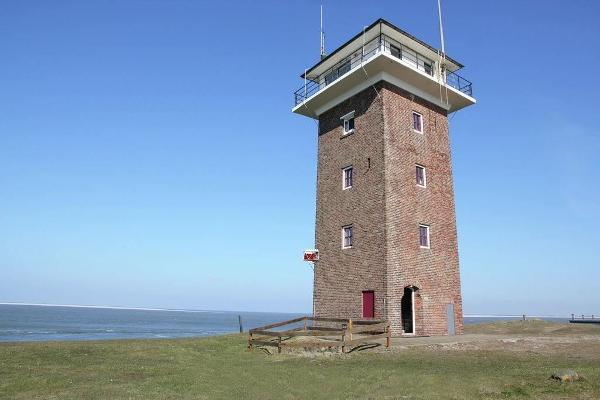
Nowhere can you sleep as close to the sea as when you sleep in De Kustwachttoren. This unique holiday apartment is situated in the lovely coastal town Huisduinen. This former coastguard tower has been transformed into a stunning apartment with a spectacular view across land and sea. The apartment is situated on the third, fourth and fifth floor of the former coastguard tower. De Kustwachttoren has been renovated while maintaining its original character, providing you with a special view from anywhere in the apartment.
-
Duynpark Het Zwanenwater
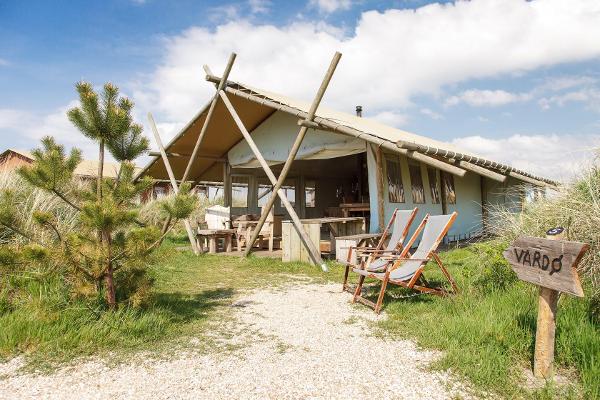
Our unique recreational area Het Zwanenwater is situated in the middle of a nature reserve at only 10 minutes walking distance from the beach. Tucked between the lyme grass-covered dunes are the extremely spacious tent houses. The Dune Lodge can accommodate 6 people (4 adults and 2 children or a maximum of 5 adults). The Strand Lodge has 8 beds. The accommodations are attractively styled and equipped with beautiful wooden furniture. A unique holiday experience on the Dutch coast!
-
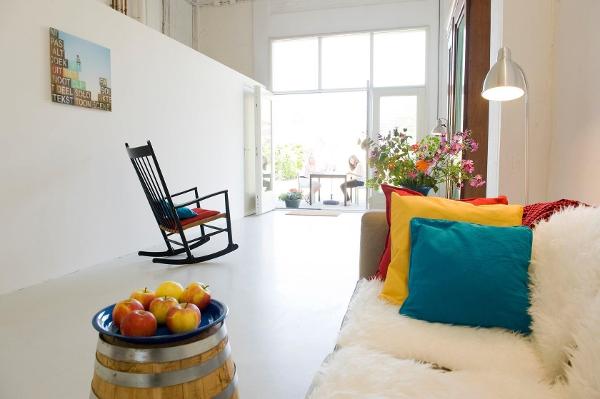
B&B De Gest
Studio Gest is located in a former warehouse and has its own entrance and consists of a large, high living room of approx 60m2 with underfloor heating. The studio has a private terrace and can accommodate two persons. Possibly there may be a bed or cot to be put. The studio is suitable for those seeking tranquility, business people, bird watchers, cyclists, walkers and parents with young children. You can relax but also work quietly. The studio is equipped with shower and toilet, a kitchen and coffee maker. There is a TV and free Wi-Fi. 2 bikes are at your disposal.
-
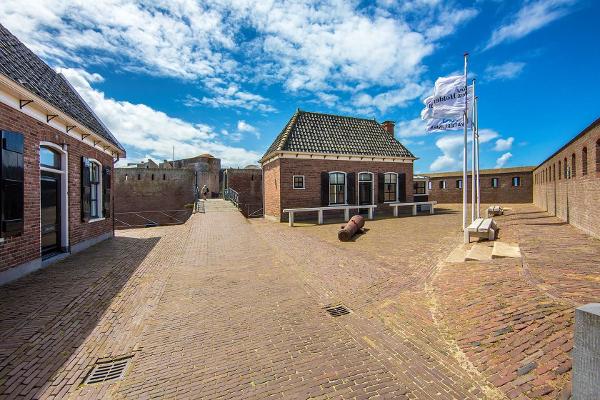
“Fortwachtershuis”
Sleeping in the house of Fort Kijkduin, the Fortwachters house in Huisduinen. Fort Kijkduin is part of the defence line of Den Helder, a unique heritage, includes six fortresses.
-
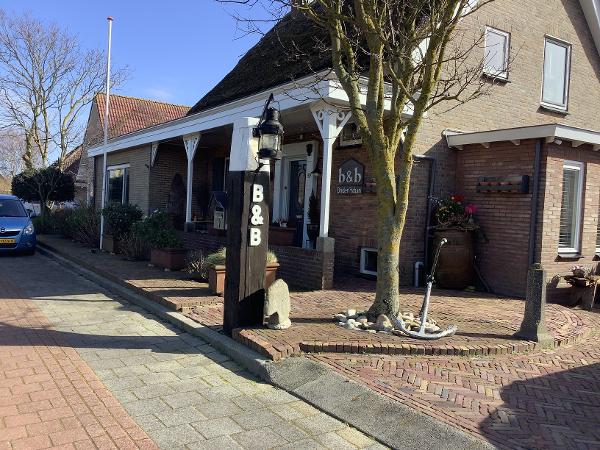
Onder ‘t Duin
We welcome you at our Bed & Breakfast, with a warm, familiar environment. Situated at just 300 meter from dunes and beach, we have beautiful walking and cycling routes right around the corner. We greet you with a drink of your choosing, and tell you everything about the surrounding area, and good restaurants nearby. We make our products from our own garden, and bake our bread ourselves. You can enjoy all of this in our cozy conservatory, underneath a grape vine of over 50 meters long!
-
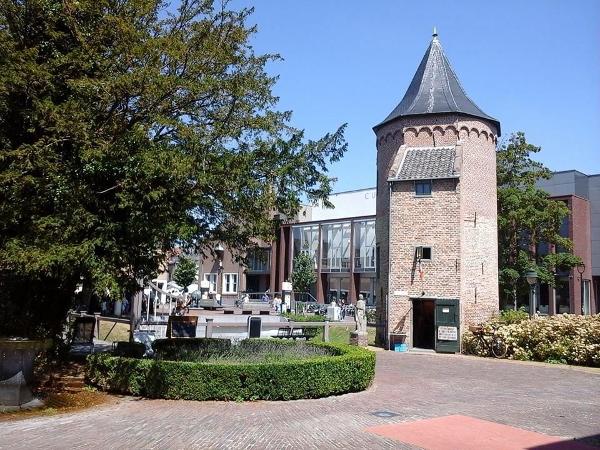
Museum Slag aan de Somme
Museum Slag aan de Somme displays a collection of old uniforms, helmets, grenades, weapons and ammunition. Models depicting the events on the Somme during the First World War. The museum is housed in a three-storey tower.
-
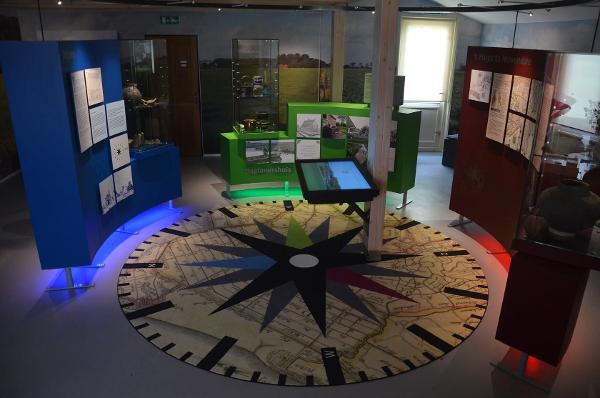
Museum Eenigenburg
The museum features the exhibit The Time Compass Eenigenburg, the interesting historyof the family Eenigenburg to the US. The museum also show the laborers cottage Van Schoneveld . The entrance fee is € 4, - for adults and € 2, - to 18 years, including one consumption in the new reception area. Changing exhibitions.
-
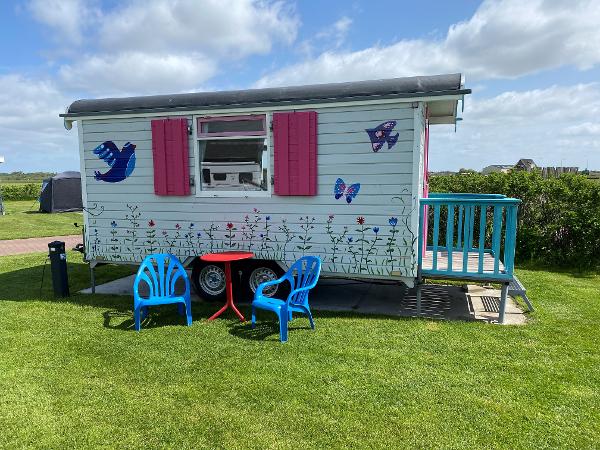
Gypsy wagon
Enjoy a peaceful breakaway from the hustle and bustle of today. The traditional double bed will be made up with clean fresh bedding for your stay. From your veranda you’ll have a wide view of the flower fields. A Gypsy Wagon is not only a sight itself, but also offers its guests a romantic view of the free life. Ideal to spoil your loved one with a special night in a beautiful location.
-
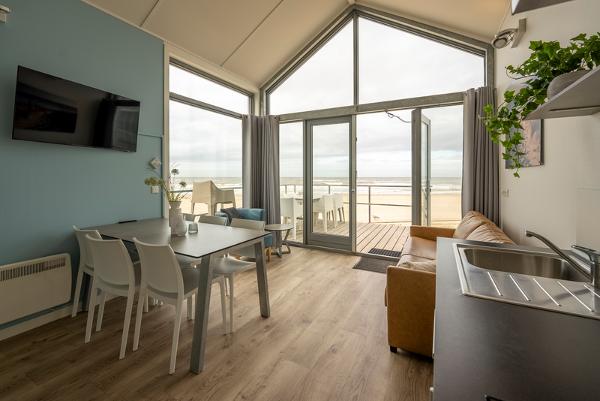
Landal beach houses Julianadorp
Landal beach houses Julianadorp - A breath of fresh air on the coast Celebrate your holiday at the beach and wake up to the sounds of the waves. While your children are building beautiful sand castles and play for hours and hours, you can enjoy the stunning views. Who will be the first to jump into the ocean first thing in the morning? Take one step outside your beach house and it could be you. Let the holidays begin!
-
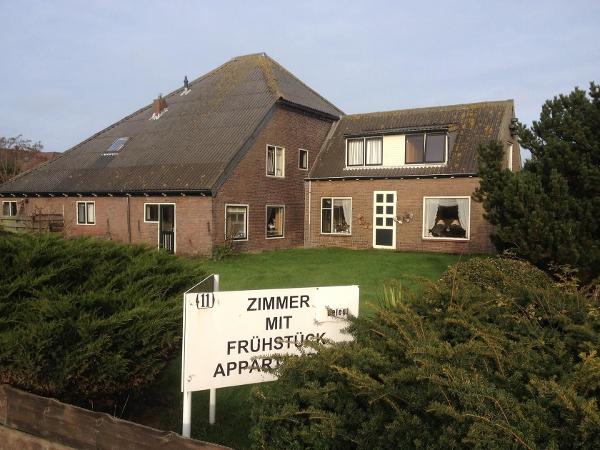
B&B Admiraal
Spacious farmhouse approximately 400 meters from the dunes. Wonderful place for cycling and walking tours in the area. On the ground floor there is a double room with private bathroom and on the first floor there are 4 double rooms and 3 single rooms with shared use of showers and toilets. There is a fridge for shared use in the corridor and a TV in the breakfast room. Rooms are non-smoking. Large fridge on the floor. Prices do not include breakfast. Dog (in consultation, € 2.50 p.n.). Child in a parents’ bed (up to 4 years of age) free.
-

Marina Anna Paulowna
Beautiful marina in Anna Paulowna.