



-
B&B Julianadorp aan zee
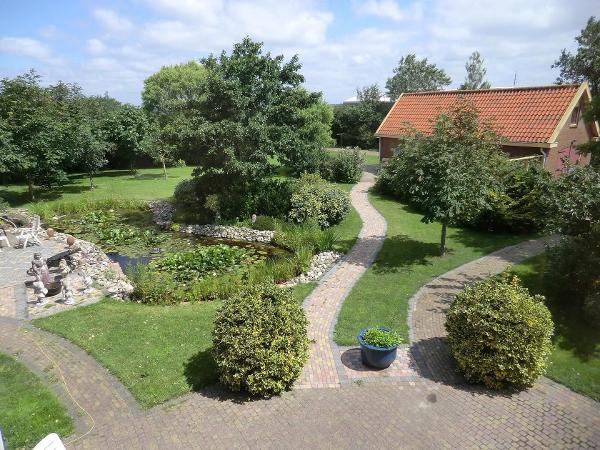
This detached, two-person studio (without breakfast) is within walking distance (700 m.) from the dunes and next to the bike and canoe route. The studio is situated in a quiet and green surroundings and you have a lot of privacy. There is a separate, fully equipped kitchenette and a bathroom with shower, toilet and sink. If desired, (no extra charge) a cot / high chair or extra bed can be given. Behind the garden there is a landing / fishing pier, located at the canoe route. Is is also posible to rent canoes next to the parcel.
-

B&B Gastvrij Verlaet
-

B&B Hollandswelvaren
Bed and Breakfast Hollandswelvaren in Barsingerhorn is a holiday home with 2 apartments.
-
Olling Art Inn
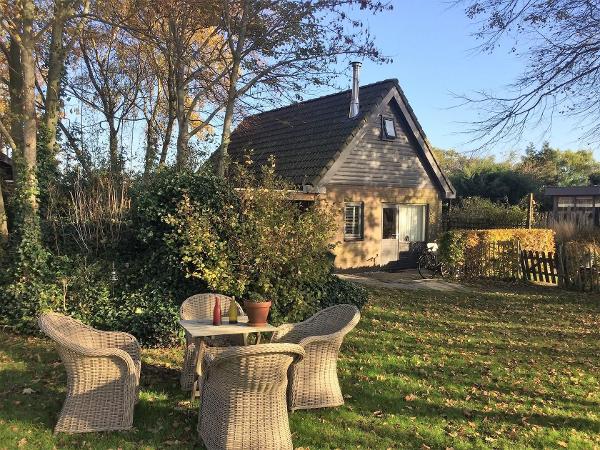
Relax and enjoy a weekend or week in the countryside of the ribbon village of Barsingerhorn. We wish you a warm welcome to our sturdy nature house with wood stove and large enclosed garden at the foot of the West Frisian Omringdijk near the village of Kolhorn. The North Sea, Wadden Sea and the IJsselmeer are within reach. You can stay here with the artist. It is wonderful to stay in this beautiful, very diverse nature and cultural area in the Kop van Noord-Holland.
-
Municipal Marina Kolhorn
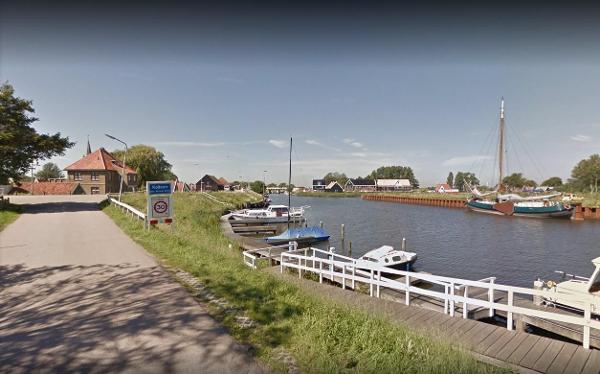
The Municipal Marina in Kolhorn is located on the West Frisian Omringdijk. At the port there is the possibility of refueling. In the village there are restaurants where you can eat. Since 2016, the port has modern facilities in a new port office. There is also wifi in the harbor. In summer, the annual night markets in the village are organized.
-
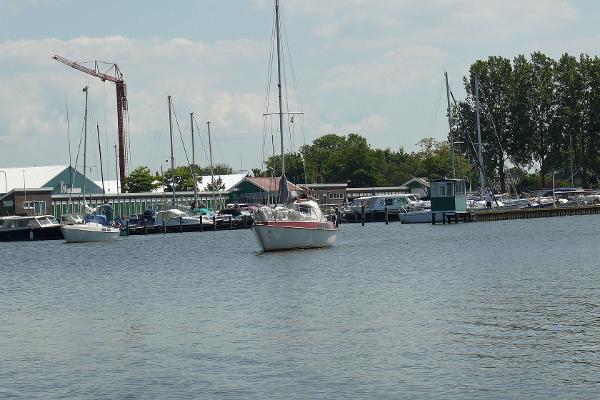
Marina Oude Veer
The marina is located on the Hoge Oude Veer with a beautiful view of the mill and surrounded by beautiful fishing and waters. Within walking distance are several restaurants, snack bars, a café and a shopping center. There are also sights nearby, such as the Poldertuin and the Hoenderdaell Zoo.
-
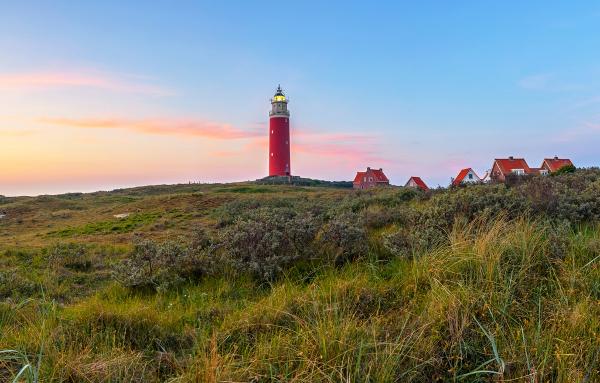
Vuurtoren
Climb the 118 steps of the lighthouse and be rewarded with the most beautiful view of the island.
-
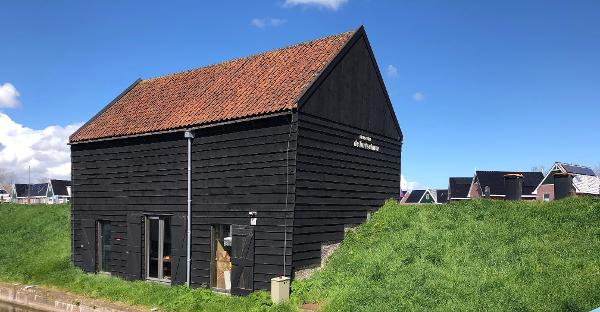
Museum “De Turfschuur”
For centuries, Kolhorn was a harbor town on the former Zuiderzee. In Museum De Turfschuur you will find information about 1000 years of struggle against the water and the continuous adaptation to changing circumstances. From shipping and fishing to madder and arable farming.
-
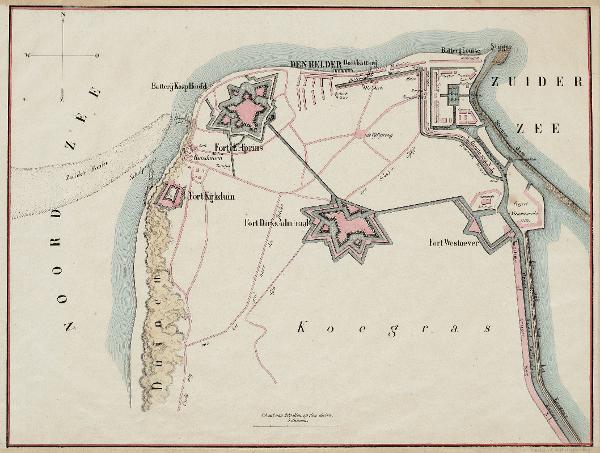
Defence line of Den Helder
The 'Stelling of Den Helder' is one of the oldest stll presence military defensive lines in the Netherlands. The 'stelling' is build in commisioned by Napoleon as a protection of navy base Willemsoord. The city of Den Helder got his shape because of the 'Stelling' which is still seeable in the landscape. The 'Stelling of Den Helder' is very important for the authenticity and identity of Den Helder.
-
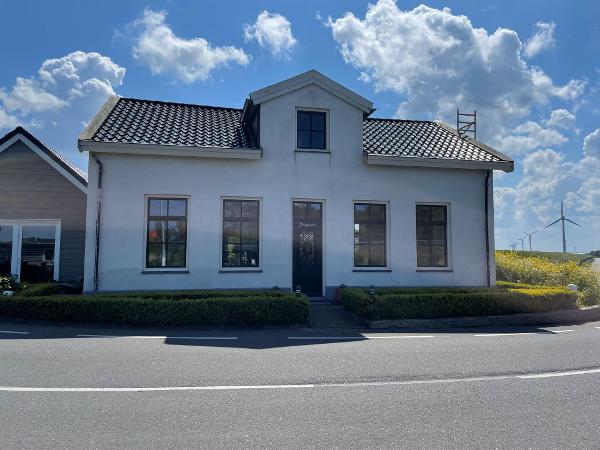
Huis West-Einde
The Anna Paulownapolder was drained in 1846. A lock and lever were built for the transport route from the North Holland Canal to the Molenvaart. Presumably a house for the lock and bridge keeper was also built. Archive documents show that in 1892 the order was given for the construction of a stone house with a café by lock and bridge keeper J. Langedijk. The café was visited by ship's crew and passers-by. In 1968 the lifting bridge and lock were removed due to a reduction in shipping traffic. A road was built over the former lock.
-

Stolpboerderij – Nieuwesluis 17
The farmhouse was built around 1611, just after the polder was drained. For a long time, the farmhouse was used as an inn.
-
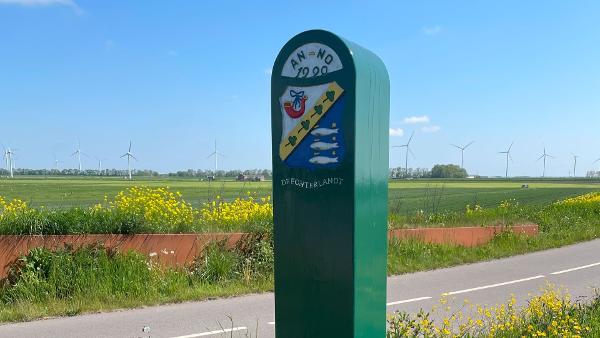
De Dikke Paal
The boundary post indicated where the maintenance obligations regarding the West Frisian sea dike were. The post features the coats of arms of the water boards that had traditionally maintained the dike sections under Winkel. This is where the section of the dike that was maintained by the Vier Noorder Koggen ended and the section that was allocated to Drechterland in 1339 began. This post is the replacement for the one that was burned during the famine winter of 1944, replaced in 1991 at the initiative of the Stichting Historisch Niedorp.