


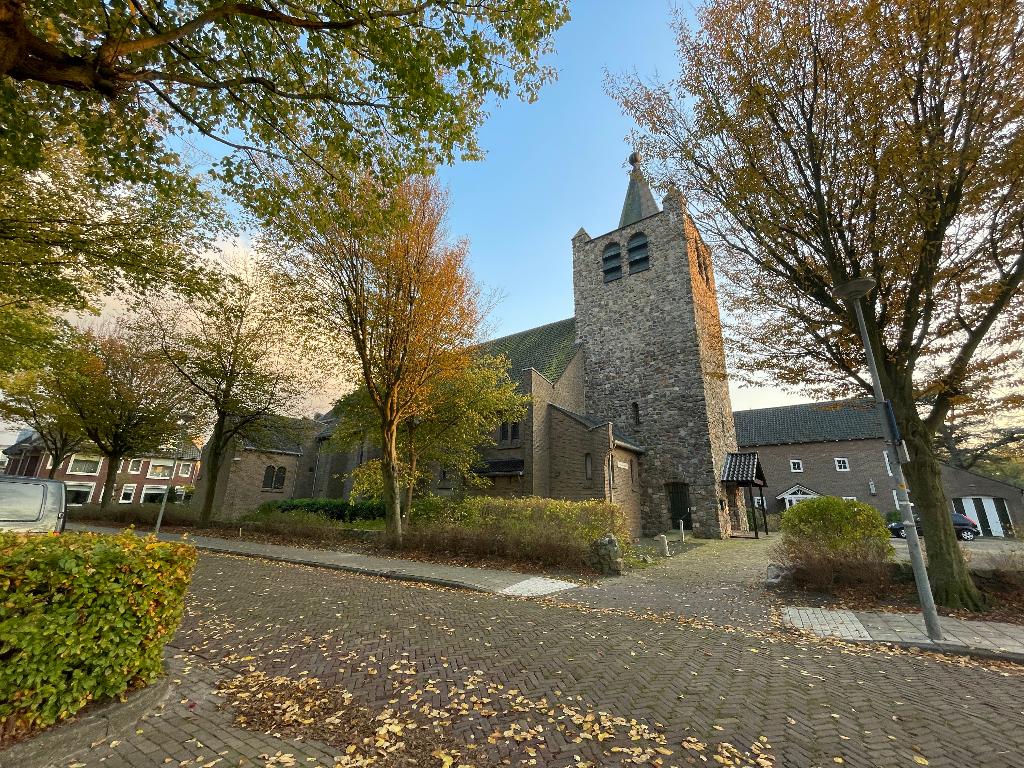
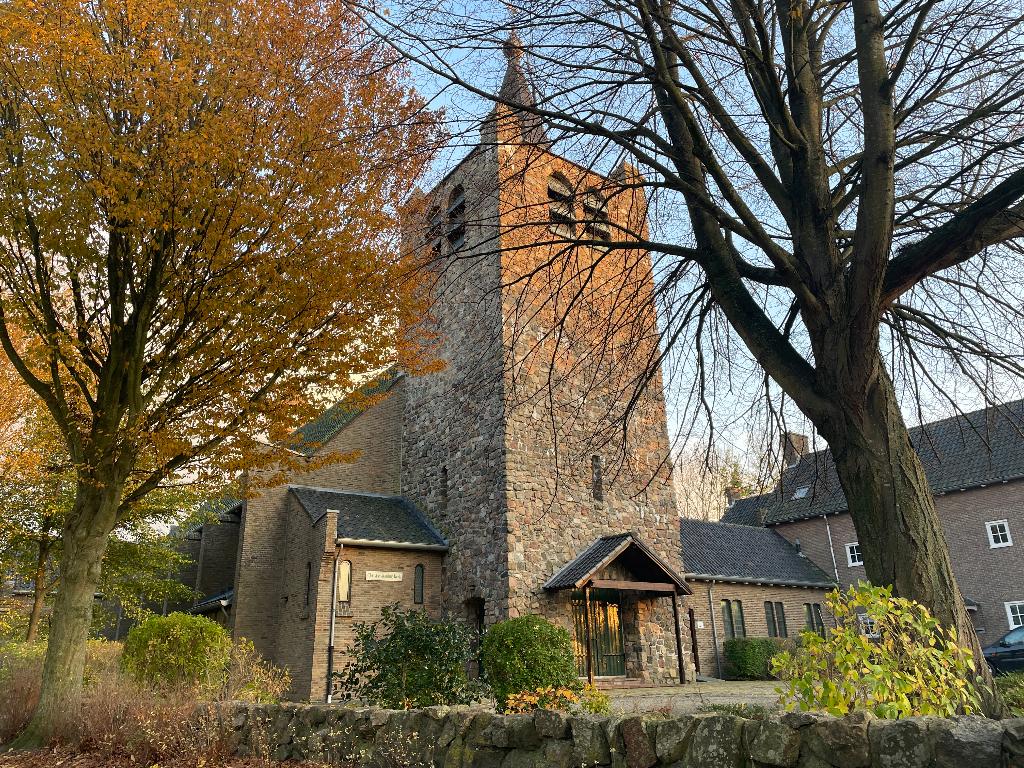
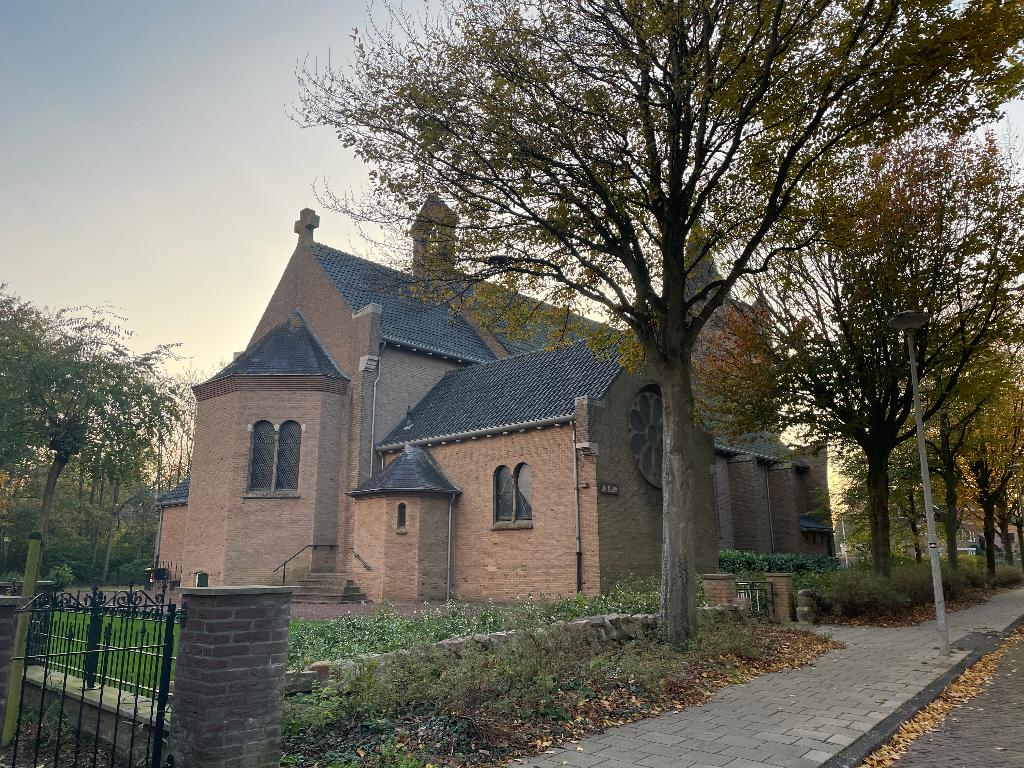
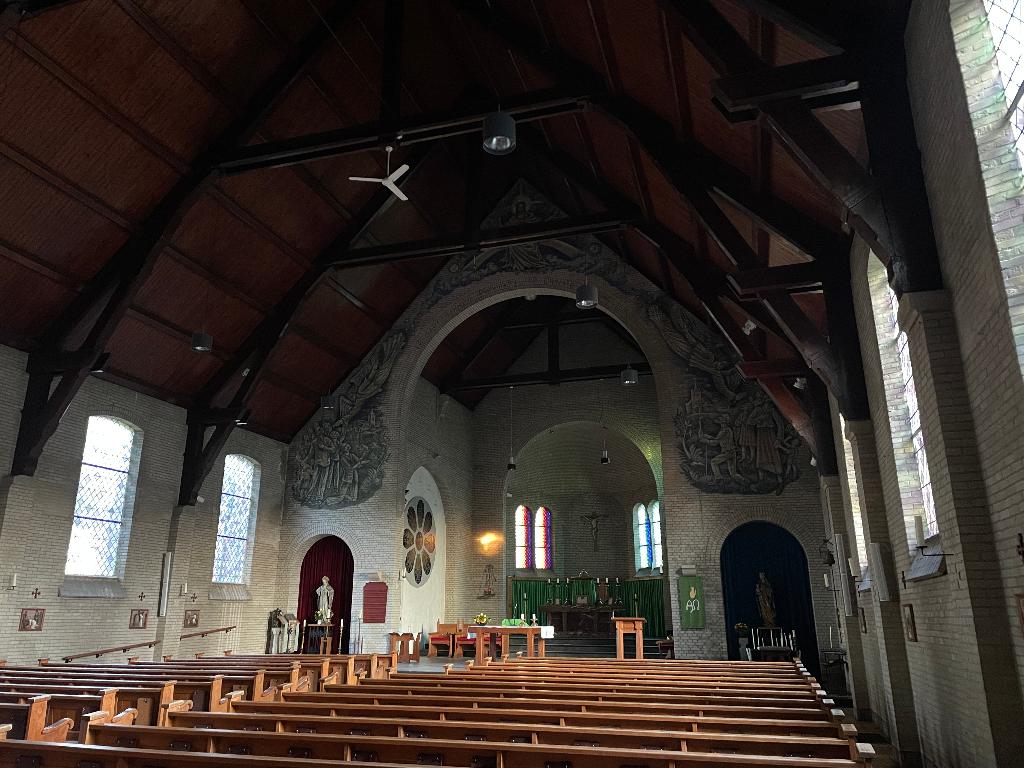
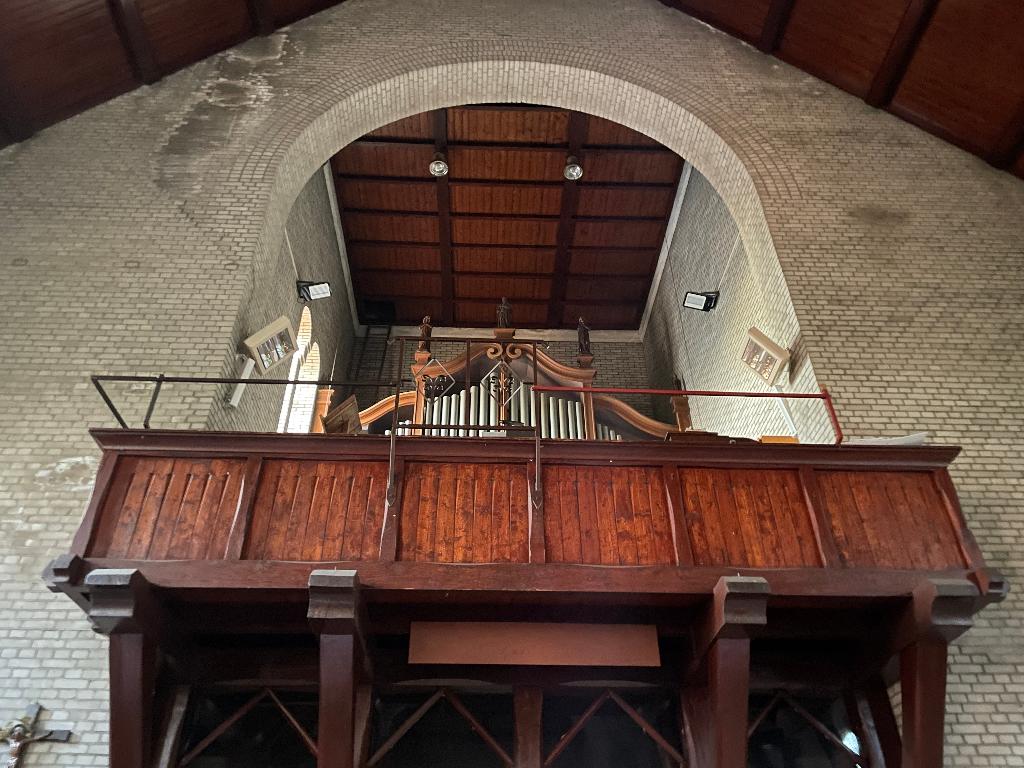
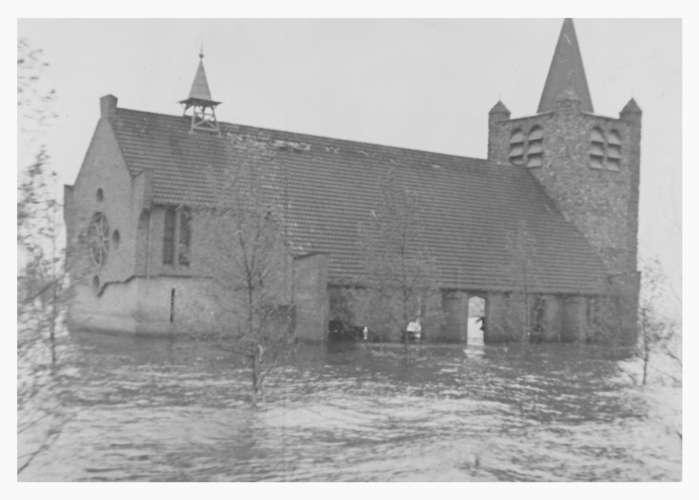
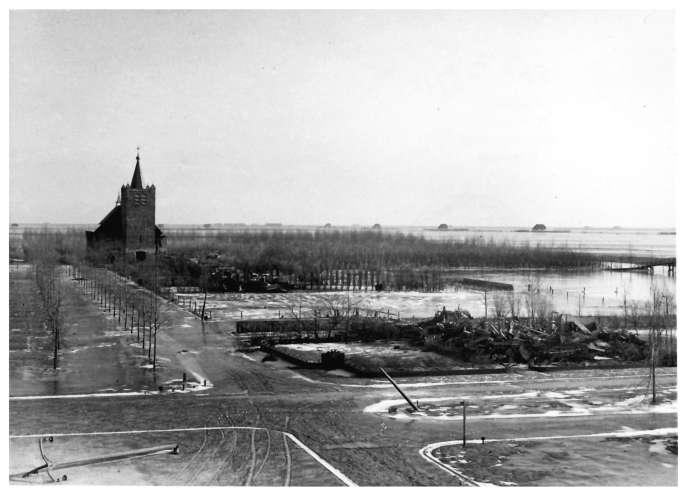
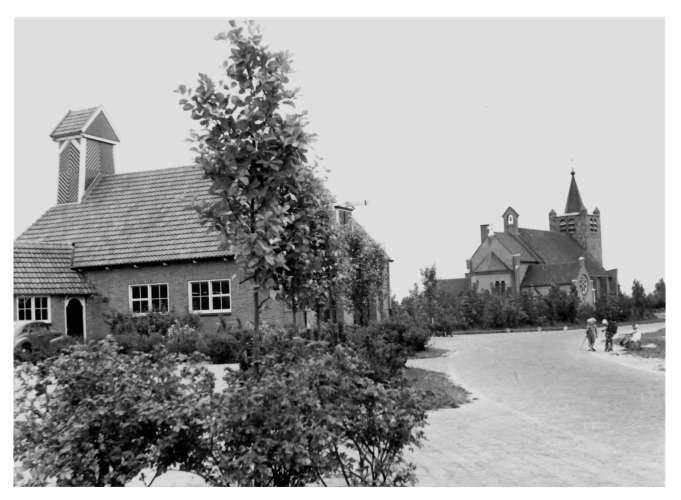
On June 28, 1939, the first pile of the Christ the King Church went into the ground. The church was consecrated on August 11, 1940. The Amsterdam architect H.M. Martens was commissioned by the Roman Catholic Zuiderzee Foundation to make the church in Warmond. The church is related to the architecture of the Delft School. The church building is an aisleless church with a saddle roof and a square tower on the west. The masonry is built in red-yellow brick with natural stone on a number of constructive points. The roof is covered with a black Dutch tile. In the aisles, transept and apse there are round-arch windows with stained glass. The prominent location of the church in the center of Wieringerwerf makes the building of high situational value. In 1945 the church was seriously damaged during the flooding of the Wieringermeer. Architect H.M. Martens therefore restored the church in 1947. A presbytery with a five-sided apse was also added to the rear (east side). Special murals have been made in the church. The organ was built by Jos H. Vermeulen. The year of construction is unknown. The Christ the King Church is built by the R.K. Parish Wieringen & Wieringermeer used for Catholic celebrations, such as weekly services, baptism, communion, confirmation and funerals. In addition, people from the neighborhood can come and drink a cup of coffee every Friday morning for free. There are several choirs that practice weekly in the church or in the space ‘de Beuk’. Sources – Monuments Register Cultural Heritage Agency: www.monumentenregister.cultureelerfgoed.nl – Reliwiki: www.reliwiki.nl – Architecture encyclopedia of Joost de Vree: www.joostdevree.nl – Historisch Genootschap Wieringermeer: www.wieringermeer.nl
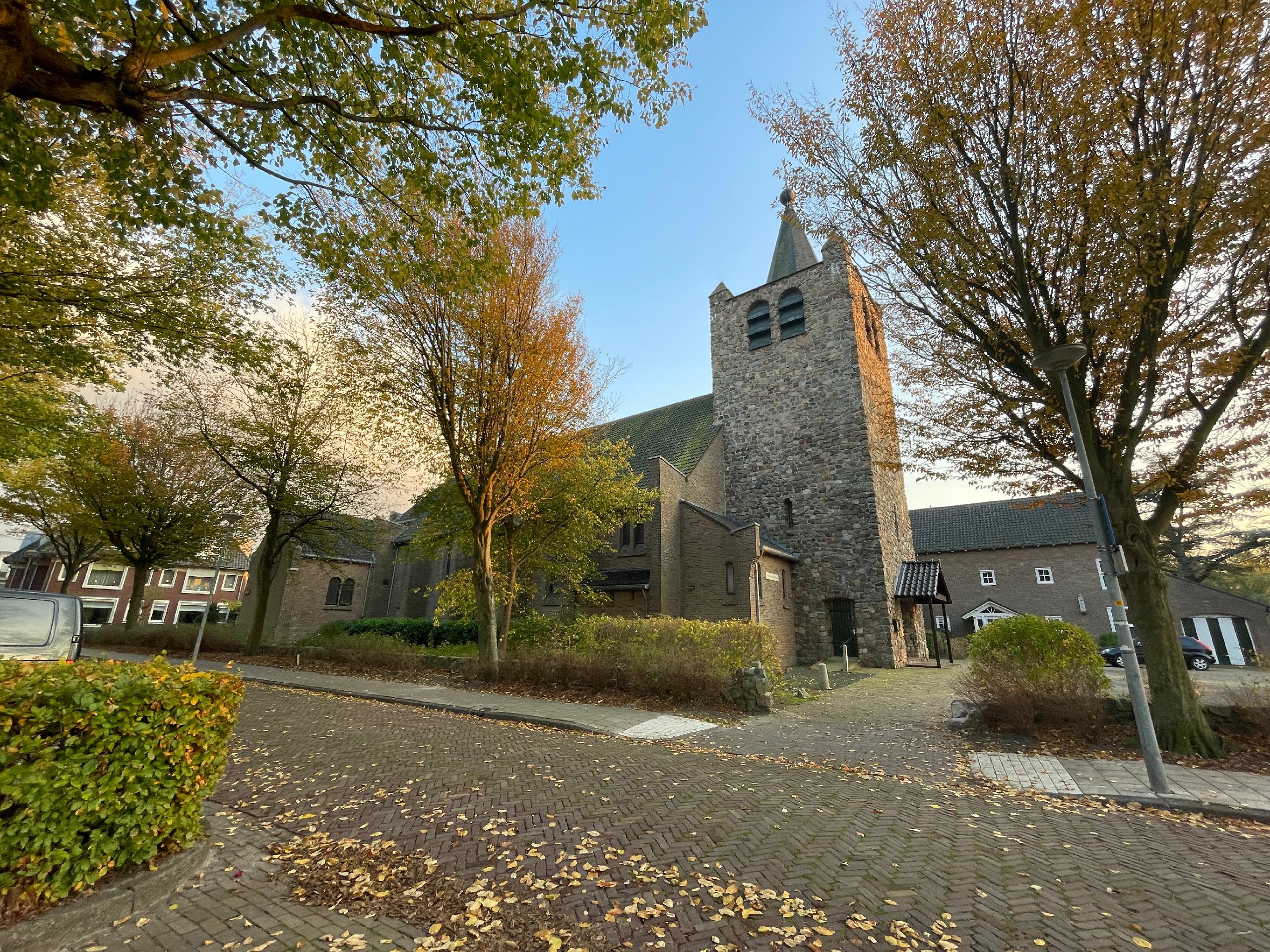

Christus Koningkerk
Nearby locations
-
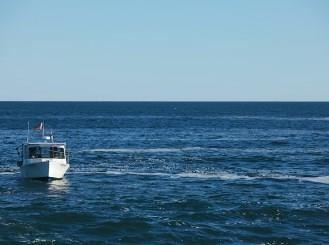
Sloepennetwerk Hollands Kroon
Sloop network is the alternative to the well-known water almanac with which you can easily and quickly plan a fascinating sailing route with your sloop.
-
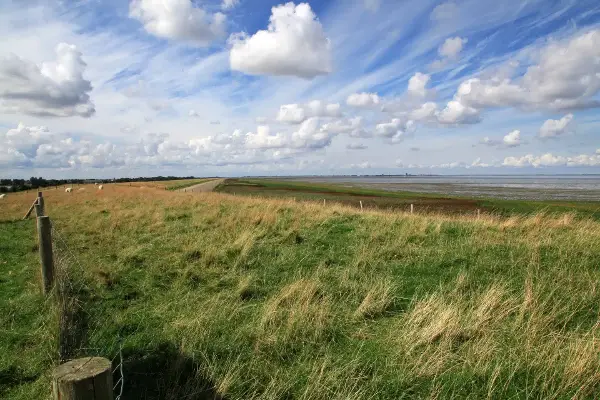
Een wierig rondje
Junction route through Hollands Kroon.
-
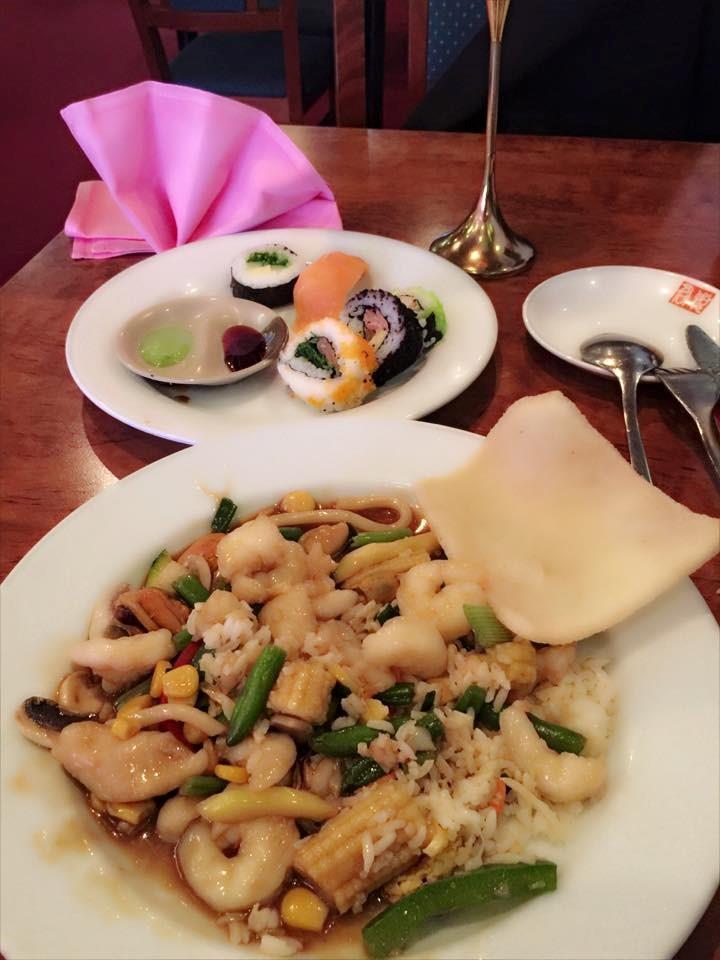
Lotus, wokplaza
-
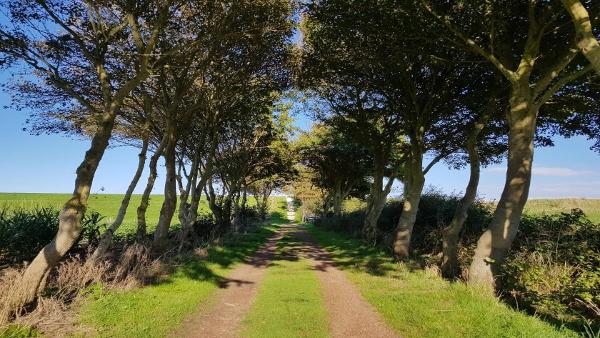
Gat in de dijk
-
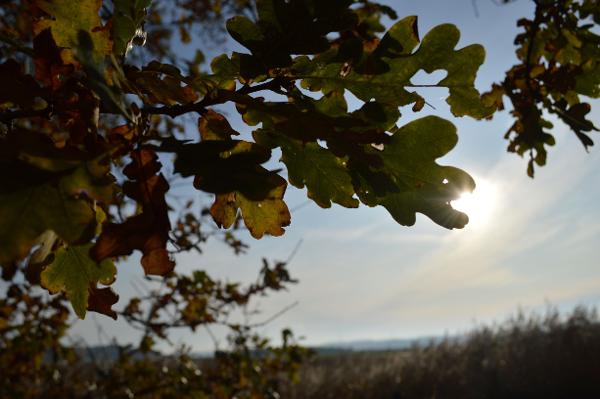
Robbenoordbos/Dijkgatbos (Wieringermeer)
Black alder, soft birch and lots of mushrooms houses the Robbenoordbos. The Dijkgatbos has a special history. Two polder forests to delve into!
-

Sveervol
Looking for a nice stop during a day out in the northernmost part of North Holland? At Sfeervol Wonen, you can enjoy browsing among atmospheric home accessories, silk flowers, gifts, and unique finds. It is an inspiring shop where you are sure to come across something to take home as a memento of a lovely day.
-

La Hormiga
-
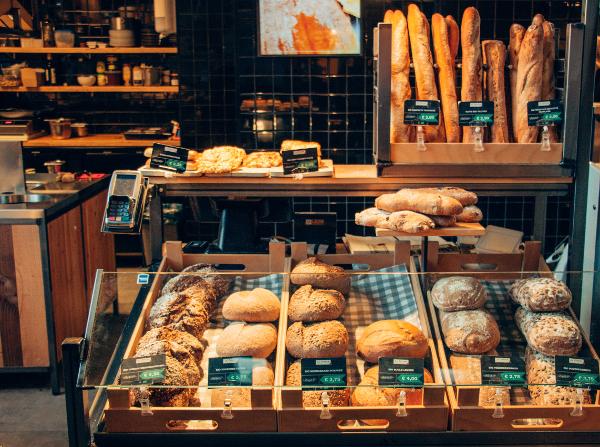
Bakkerij Slijkerman Wieringerwerf.
Bakkerij Slijkerman in Wieringerwerf.
-
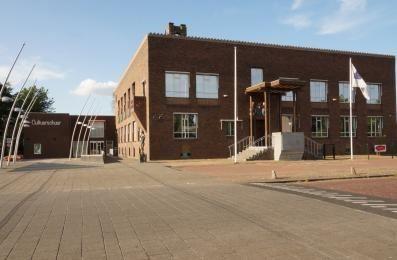
De Cultuurschuur
The Cultuurschuur is the cultural heart of Wieringerwerf and a meeting place for many.