



-
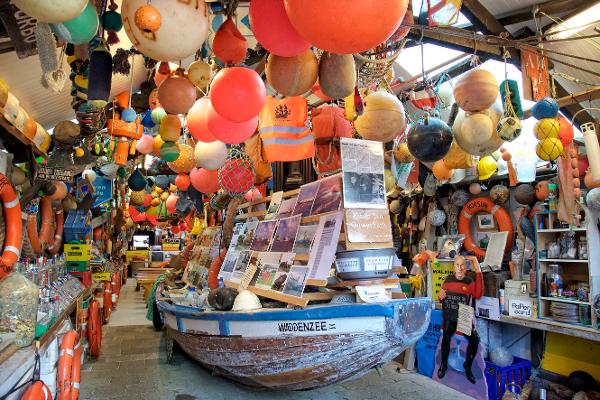
Maritiem- en Juttersmuseum Flora
Beachcombers are concerned with everything that is found on the beach. Many of these finds can be admired in the interactive Maritime and Beachcombers Museum Flora.
-
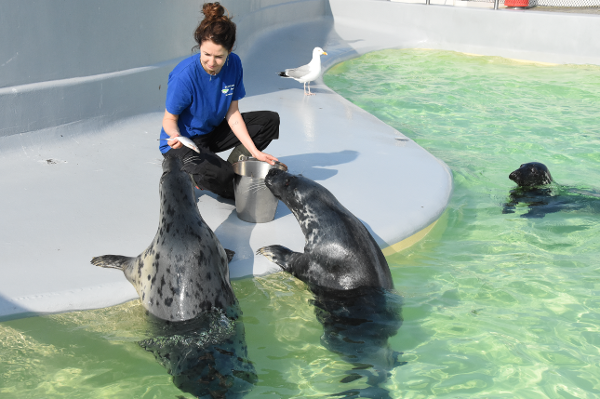
Ecomare
Come see seals, seabirds and other marine animals at the Ecomare seal sanctuary. Learn all about life in the Wadden and North Sea and nature on Texel.
-
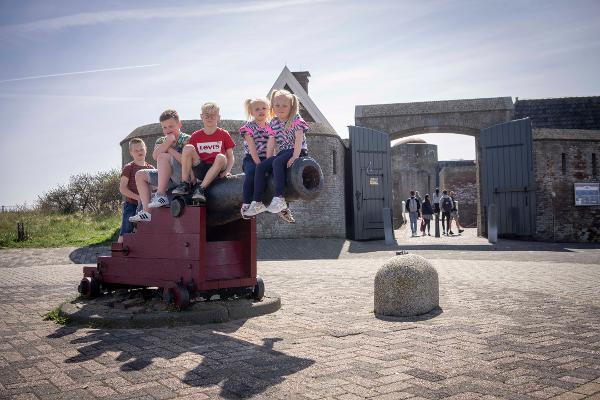
Fort Kijkduin
Follow in the footsteps of Napoleon Did you know that sharks live in the North Sea? Would you dare to feed them? This is possible in the North Sea aquarium of Fort Kijkduin! A visit to the aquarium is an exciting and educational adventure where you learn everything about the underwater life in the Wadden and North Sea. Spectacular is the 15-metre-long walk-through tunnel. The historical museum of the fort is also very interesting. Walk through underground tunnels and discover 200 years of military history about Den Helder and the Napoleonic fortress itself. The new family exhibition explores the lives and work of the soldiers stationed in the fort in 1939 during the mobilization of the Dutch army.
-
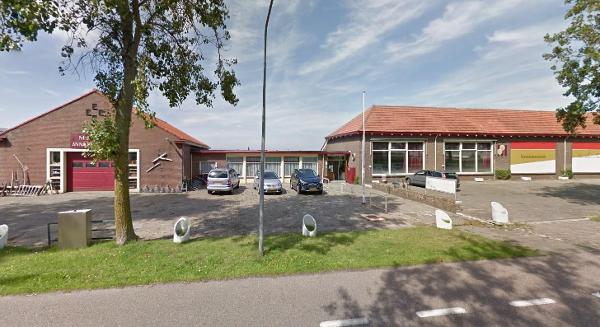
Museum Anna Paulowna
The Old Anna Paulowna Museum has the exhibition "100 years after the flood disaster" in the Anna Paulowna polder. In the museum, the photographs of, among others, photographer Piet Jonker are enlarged and viewable throughout the year. The exhibition "The notes with their drawings" is also available.
-
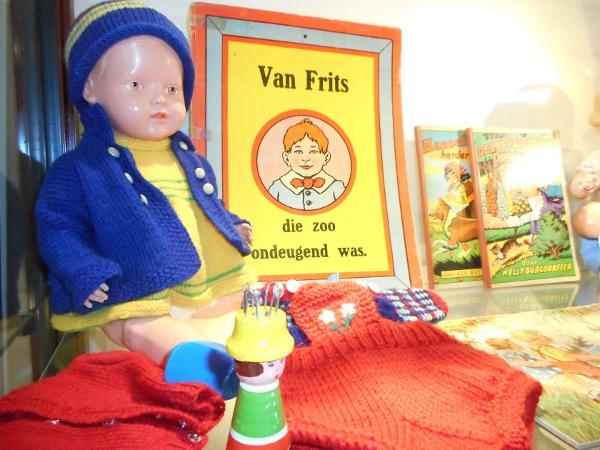
Museum historisch Harenkarspel
This museum is located in the Van Blanckendaell animal park and the permanent collection consists of agricultural tools from the last century, a complete wash corner with laundry tub, bedsteads, clothing, a forge, kitchen utensils, carpenter's tools and more.
-
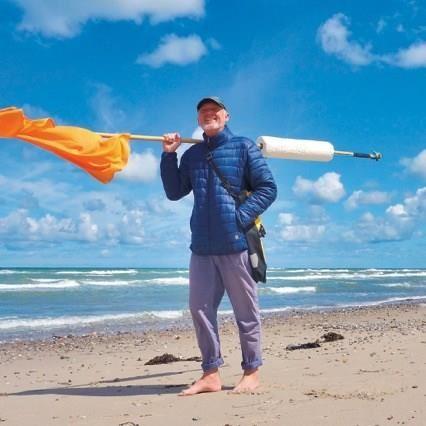
Beachcomber museum Callantsoog
Just behind the dunes and near the lively seaside town of Callantsoog you will find the small and cosy beachcomber- and art museum of Callantsoog. In addition to various unique beachcomber finds and beachcomber-art that you can admire, the little baby mermaid of Callantsoog has to be the most extraordinary discovery! Come along! You can combine your visit with a walk along the beach or through the nearby nature park de Zandpolder. Parking is free! on the car park next door.
-
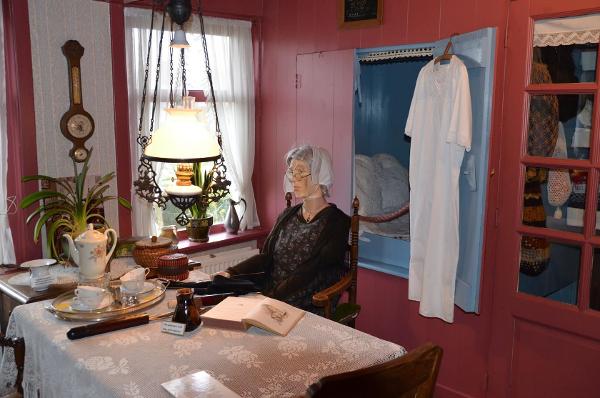
Museumboerderij Tante Jaantje
In the farm is a lot of attention is dedicated to: What a beachcomber finds; breakwaters; lifeboat station Callantsoog; beautiful places in Callantsoog on slides; scale models from dunes and village; tools; old postcards and pictures; and carts on the history of Callantsoog; archeological findings from the surroundings.
-
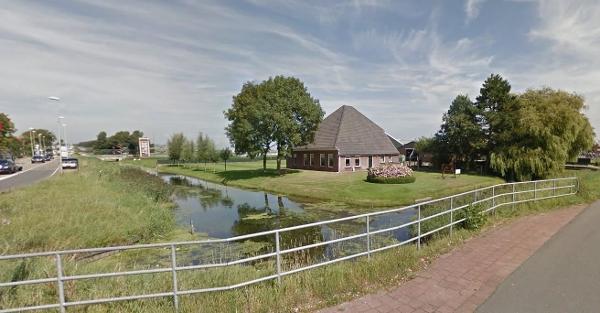
Agrarian Museum Knowing and Working
Agrarian Museum Knowing and Working is located in a large barn. You're looking back in time. What you can see here is not just about the agricultural sector. It shows how people lived before. Klaas and Jeanette Hoornsman brought together an extensive collection of old tools, old objects, old clothes, etc.
-
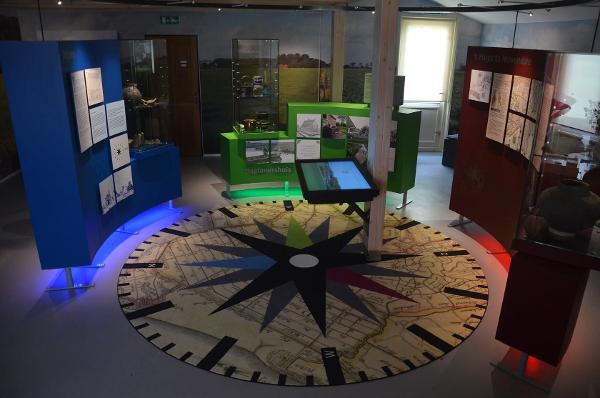
Museum Eenigenburg
The museum features the exhibit The Time Compass Eenigenburg, the interesting historyof the family Eenigenburg to the US. The museum also show the laborers cottage Van Schoneveld . The entrance fee is € 4, - for adults and € 2, - to 18 years, including one consumption in the new reception area. Changing exhibitions.
-
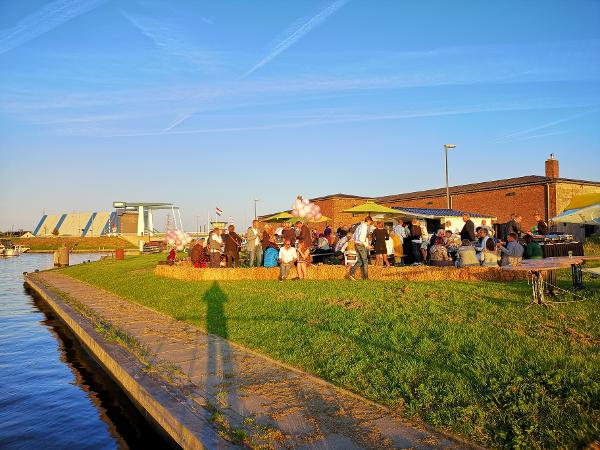
Fort Westoever
Welcome to Fort West Bank In the fort you can expect: a beer brewery, a beer café with food, halls for weddings and parties, and a museum / expo of the Den Denis under construction. Fort Westoever is home to the Green Stek care nursery (Edible Landscaping and Herbs), Bright Events (corporate parties and more), Helderse Jongers City Brewery, and Beercafé Fort Westoever. In our café you can be honest for really Helders beer, with a view on the brewery. We have a large terrace and a private jetty for your boat. On Wednesday we have our Wrap-tastic Wednesday, and on Thursday the pasta eve
-
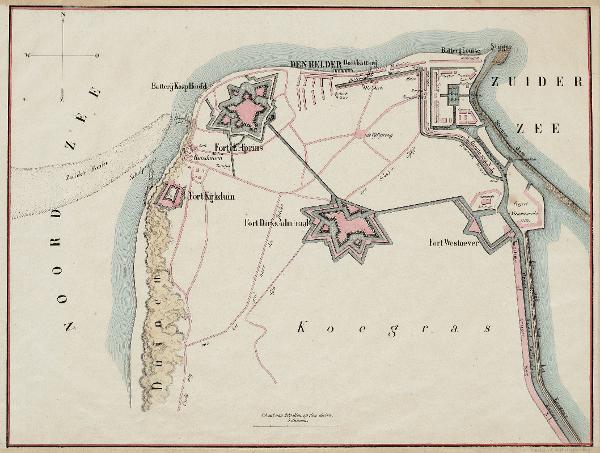
Defence line of Den Helder
The 'Stelling of Den Helder' is one of the oldest stll presence military defensive lines in the Netherlands. The 'stelling' is build in commisioned by Napoleon as a protection of navy base Willemsoord. The city of Den Helder got his shape because of the 'Stelling' which is still seeable in the landscape. The 'Stelling of Den Helder' is very important for the authenticity and identity of Den Helder.
-
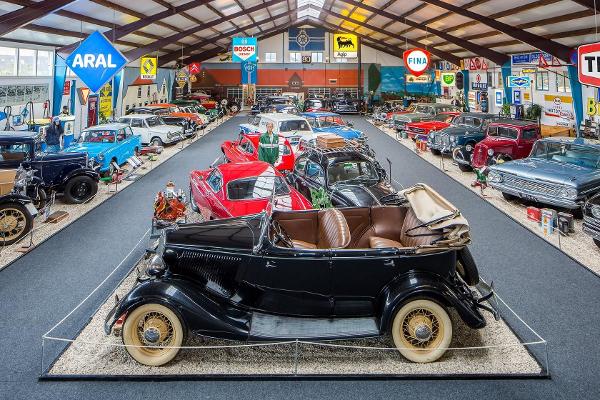
Automuseum Schagen
At the car museum you go back in time. This was the time when not everyone was in possession of a car and people were extra proud of this property. This museum is all about the history of these cars. You can rest assured, the entrance is completely free.