
'/%3E%3C/svg%3E)

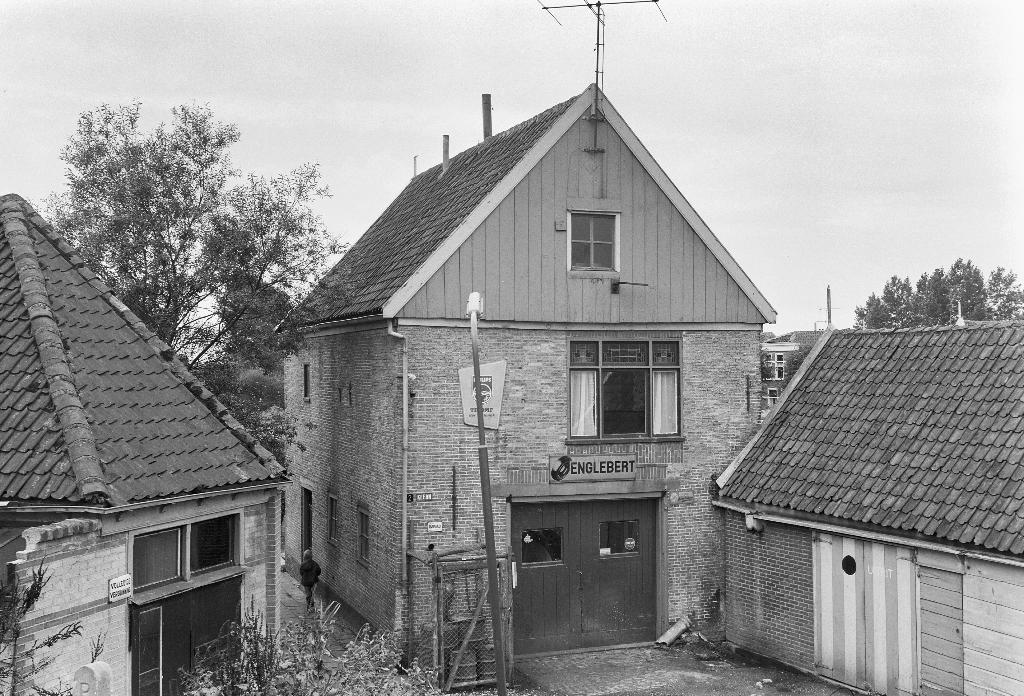
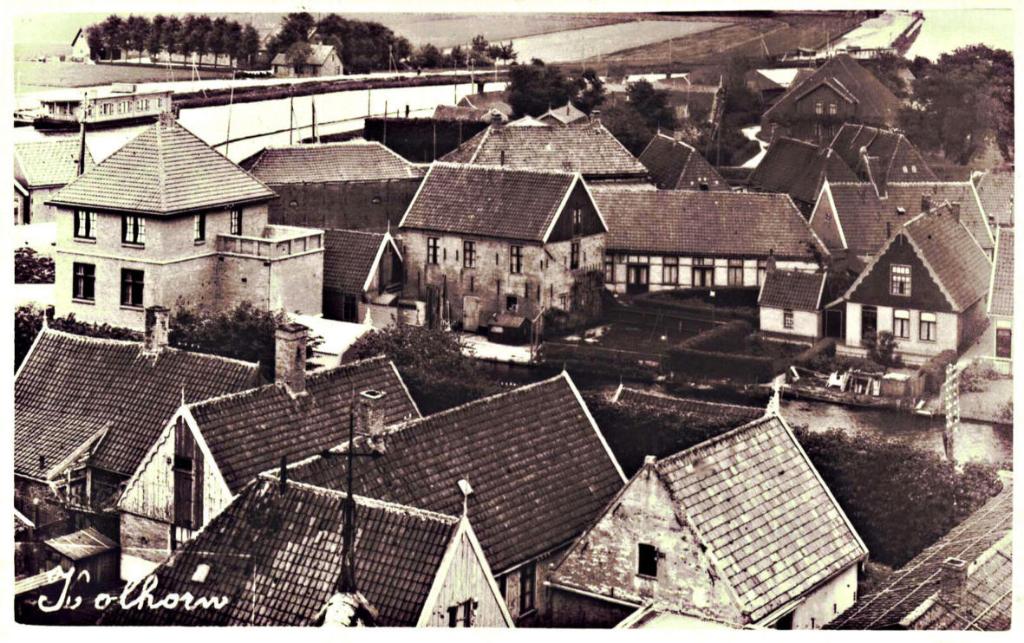
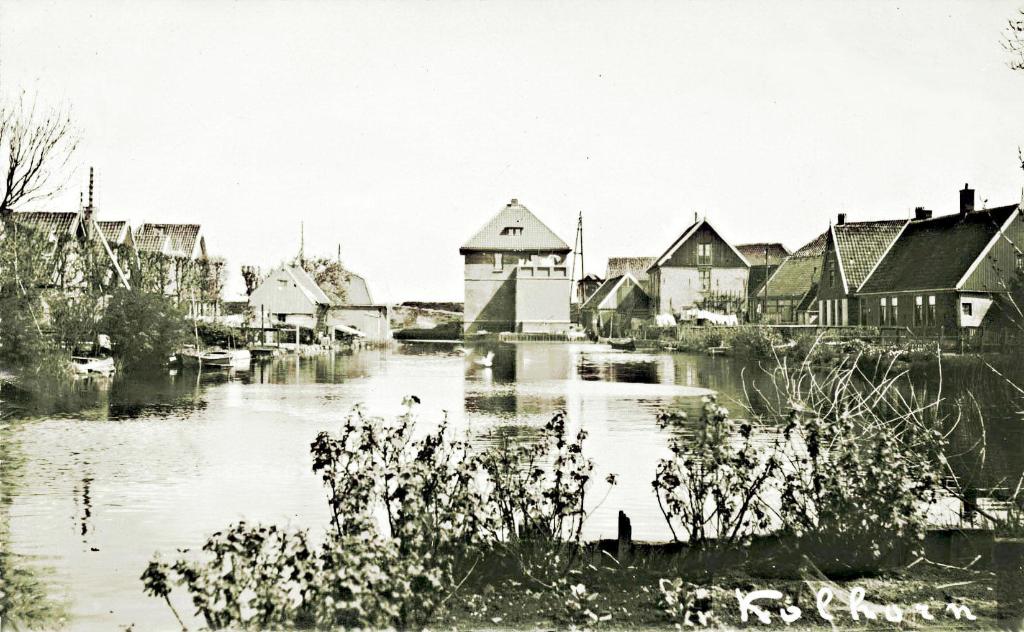
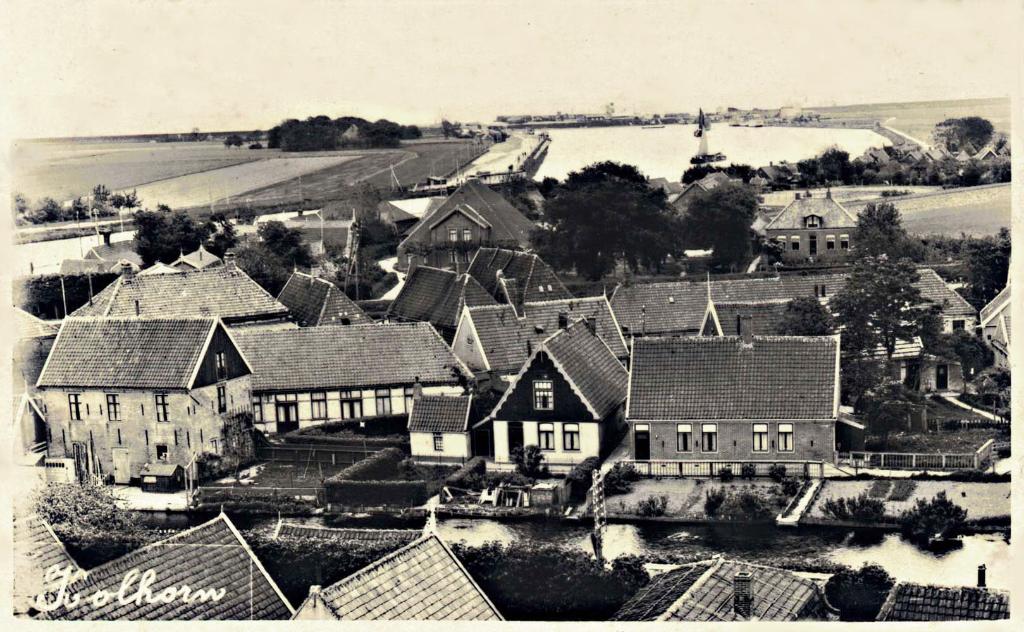
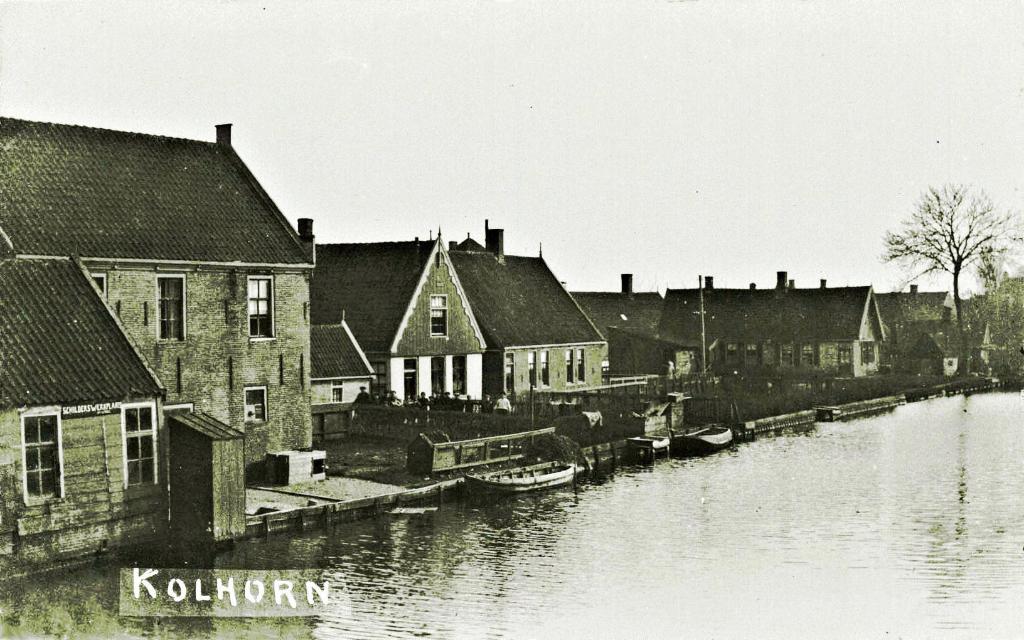
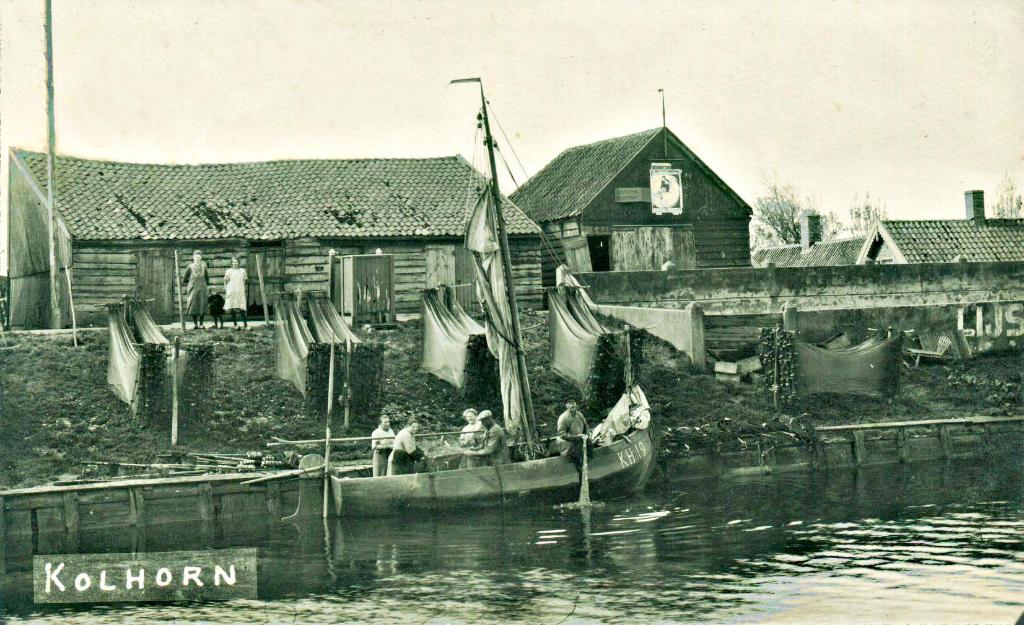
Most ports in the Netherlands had their own skippers’ guild at the end of the Middle Ages. They were of great importance in the port. In 1615 the skippers in Kolhorn also decided to unite in a skippers guild. The Lord of Schagen granted a patent for ‘the Guild of the Inland Sailing Carveelen or Wijtships on Colhorn’. Every year, the Lord at the Castle of Schagen received a share of the proceeds in the form of, for example, a number of baskets of fresh sea fish. Skippers could become a member of the guild by paying six guilders and proving that they were a good citizen of the Steede Barsingerhorn. The guild board was very important. Without letting the guild know what kind of goods and to which port the skipper was transporting his cargo, one was not allowed to set sail. Kolhorn skippers who were not members of the guild were no longer allowed to accept cargoes in their home port. All incoming ships from outside the harbor had to pay beacon money to the guild. And ‘postal money’ was paid for transporting live cattle. Guildhall The skippers’ guild was housed in the building at Keern 2 because from here there was a view of both the outer water and the inner water of Kolhorn. From here the guild could follow the port company well and keep a close eye on the light of ‘the lantern’ (the harbor light) that was almost right in front of the door on the dike. It is also one of the few houses in Kolhorn (and certainly on the Westfriesedijk) with a full first floor. After the first floor there is half an attic space under the gable roof and the building has a characteristic wooden gable. The skippers fair was also held at this location. From 1798 guilds throughout the Netherlands were disbanded due to the dawn of the French era. The skippers guild in Kolhorn also ceased to exist. Garage In a photo from 1968, an advertising sign for Engelbert tires is visible on the facade of Keern 2. It shows that the former guildhall was also suitable for other functions such as a garage and/or a workshop. Today it is a residential house.


Schippersgilde (Keern 2 – Kolhorn)
Nearby locations
-
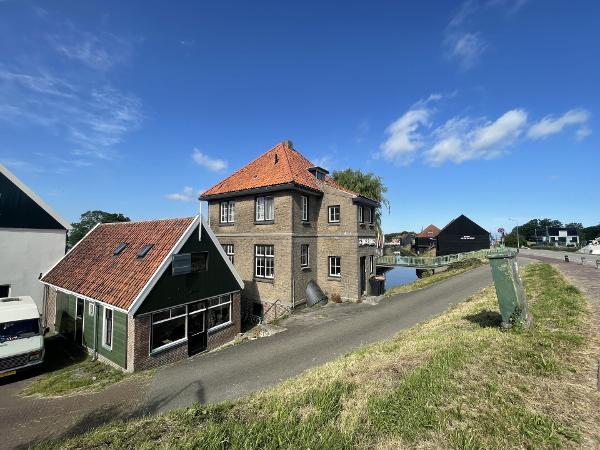
Gemaal Schagerkogge
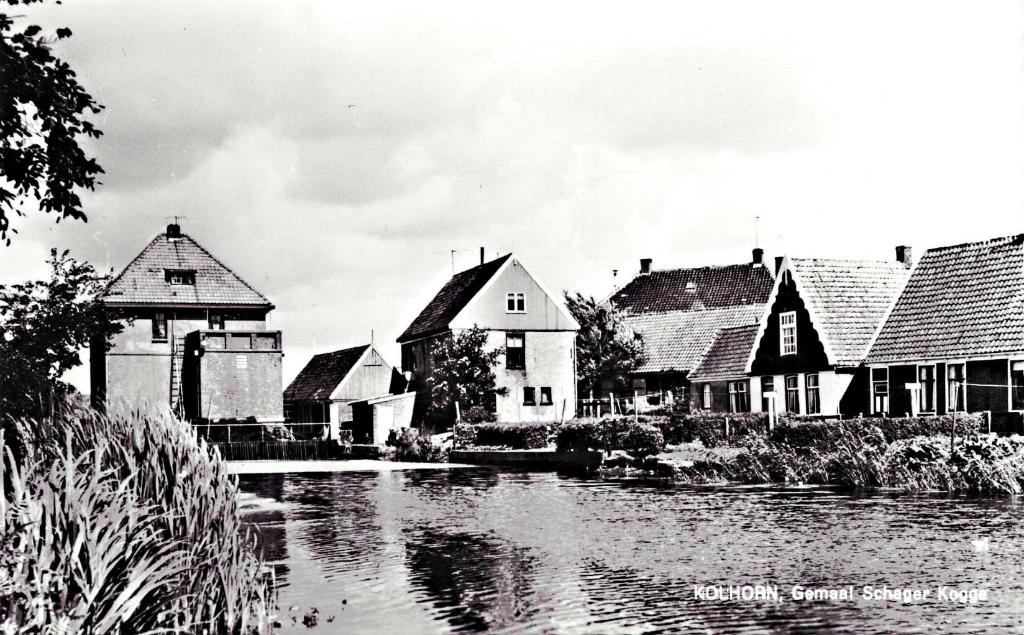
The pumping station was built in 1927 and is equipped with a pump installation driven by electric motors. The building was built in a sleek variant of the Amsterdam School. The facades are built in clean masonry and the building has a striking tiled roof, covered with red tiles. Until recently, the pumping station drained the Schagerkoggeboezem and kept an area of 3,000 hectares dry.
-
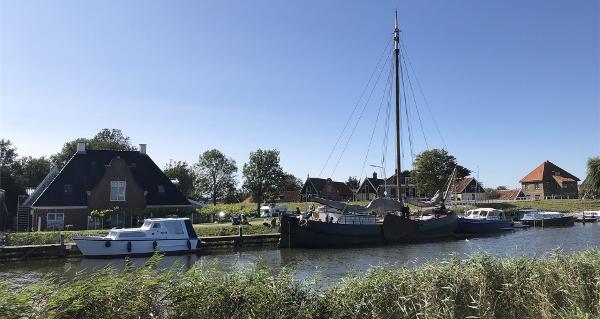
Vaarroute rondje Kolhorn
A new route for paddlers of all levels.
-

De Tjalk Aquarius
Sailing trips
-
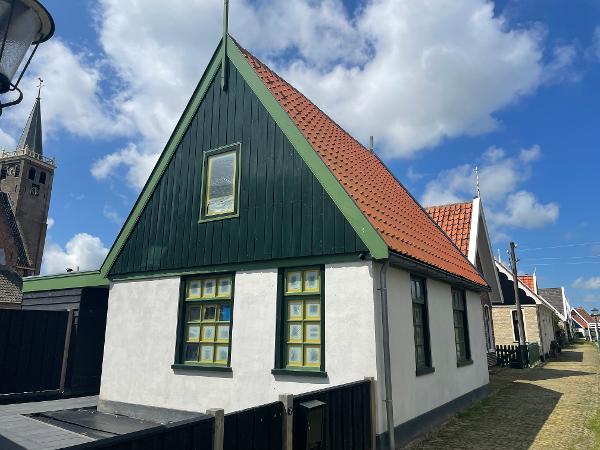
Monumentaal woonhuis – Oude Streek 42
This characteristic monumental house is located behind the Turfschuren on the Benedenkolk.
-
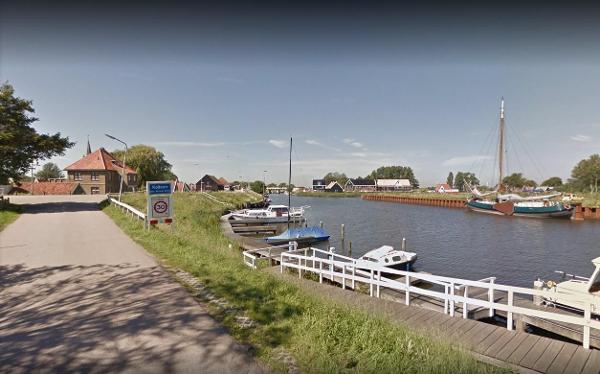
Municipal Marina Kolhorn
The Municipal Marina in Kolhorn is located on the West Frisian Omringdijk. At the port there is the possibility of refueling. In the village there are restaurants where you can eat. Since 2016, the port has modern facilities in a new port office. There is also wifi in the harbor. In summer, the annual night markets in the village are organized.
-
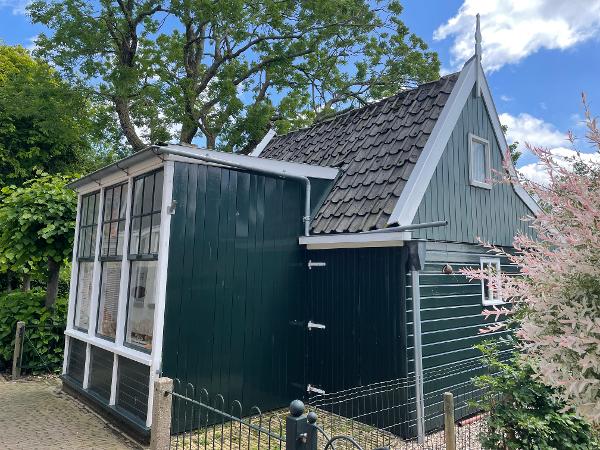
Monumentale woning en schuur – Nieuwe Streek 36
The house is a national monument and the former wooden fish shed has the status of a provincial monument.
-
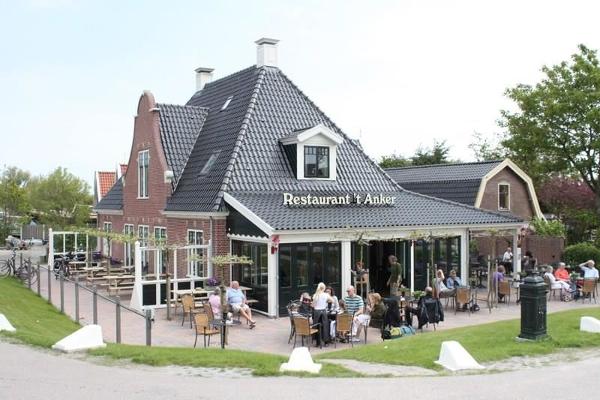
Restaurant ‘t Anker
This restaurant is situated in a typical Dutch farmhouse in the picturesque village of Kolhorn. Ideal for a stop during hiking and cycling. Enjoy the sun at the cosy terrace. Open for lunch and dinner.
-
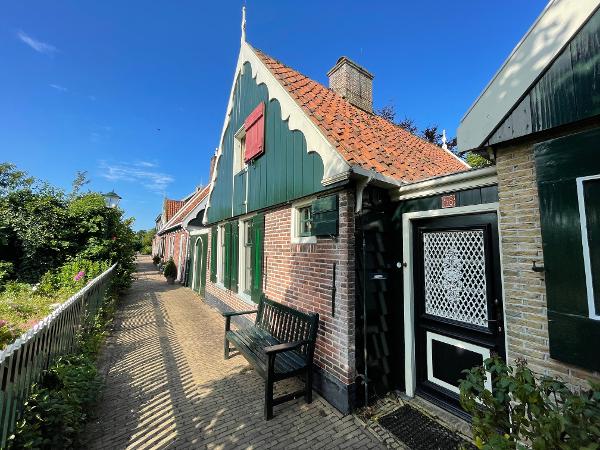
Stolpboerderij – Nieuwe Streek 58
This longhouse bell jar is hidden within the pedestrian area of the Nieuwe Streek. This is a national monument.
-
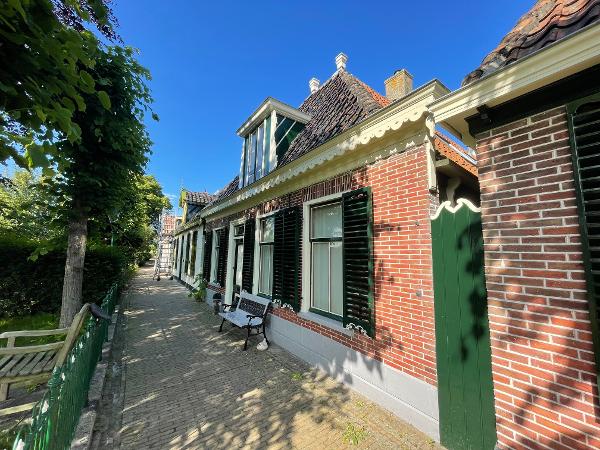
Historische woning – Nieuwe Streek 22
Historische woning met een zadeldak aan de Nieuwe Streek in het beschermd dorpsgezicht Kolhorn.