
'/%3E%3C/svg%3E)

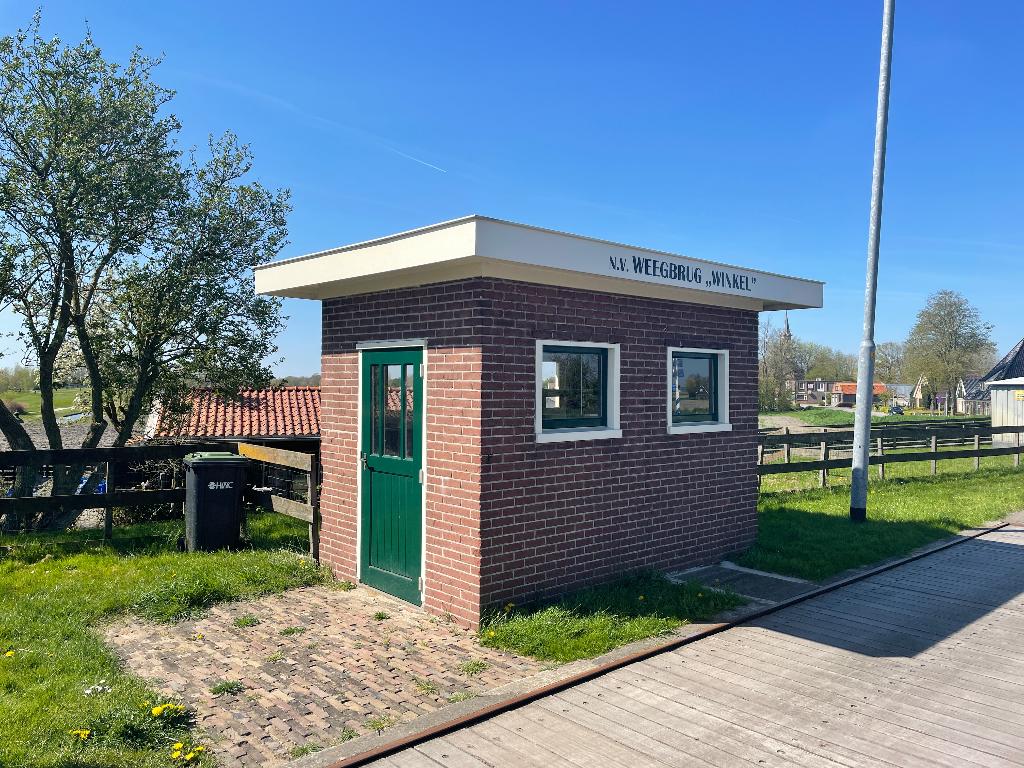
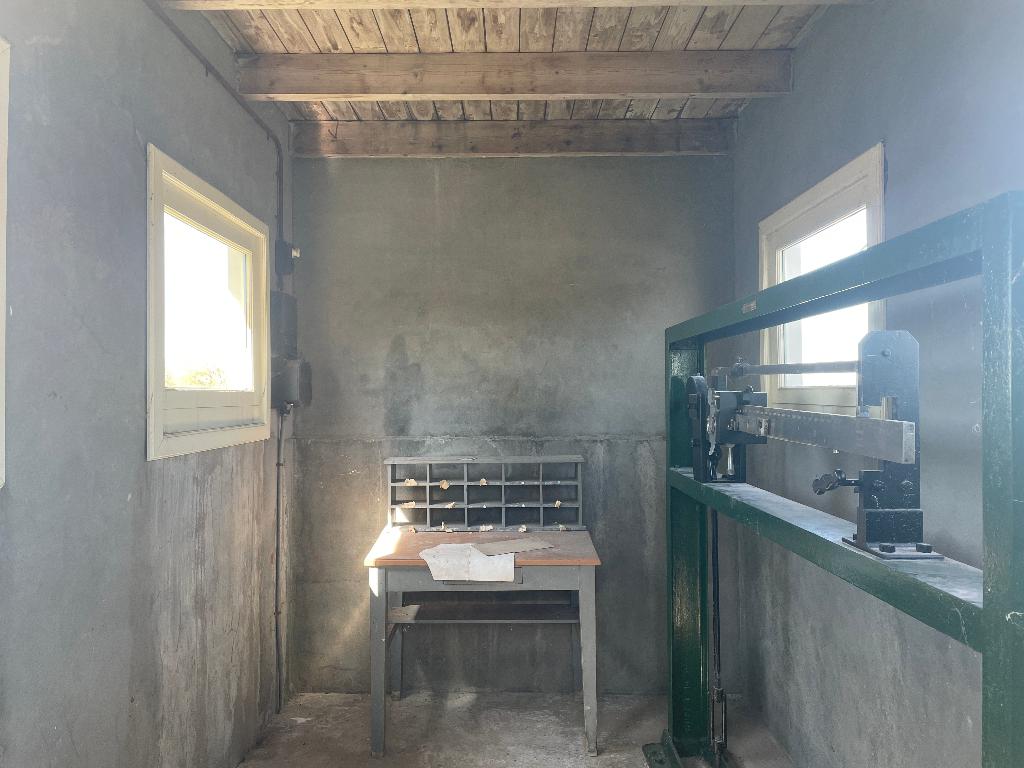
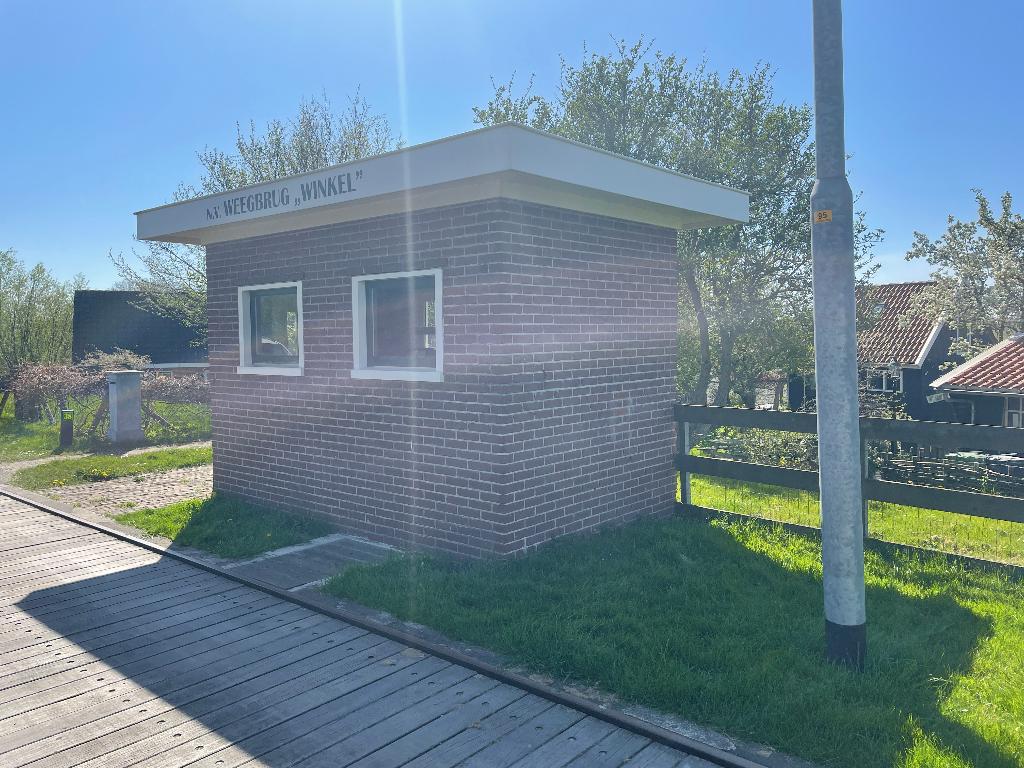
The weighbridge with the weighing house was created on the initiative of a group of farmers from the Groetpolder in the municipality of Winkel. In 1933 they needed a weighbridge in connection with the sale of the cultivated agricultural products. On the bridge they could drive wagons with goods and weigh the load on the wagons. They found a suitable location near a widening of the Westfriesedijk. The maximum weighing capacity was 20,000 kg according to the reading scale on the current mechanism. The construction of the weighing house with the construction of the pit for the weighbridge was awarded to the company Keuris in Schagen. A nearby farmer was appointed as weigher (the first was Dirk Molenaar). Especially during the harvest season, the installation was used intensively to weigh straw, grain and agricultural products. Cows and pigs were also weighed regularly, and in the early years also many motor vehicles. The weighbridge was no longer used since 1990 due to new developments, as a result of which the bridge was rendered inoperable. Several of these weighbridges and houses have been built in the Netherlands, but many have since been demolished. Sources https://www.hollandskroon.nl/system/files/2022-07/Redengende%20description%20-%20Winkel%20-%20Westfriesedijk%2036.pdf
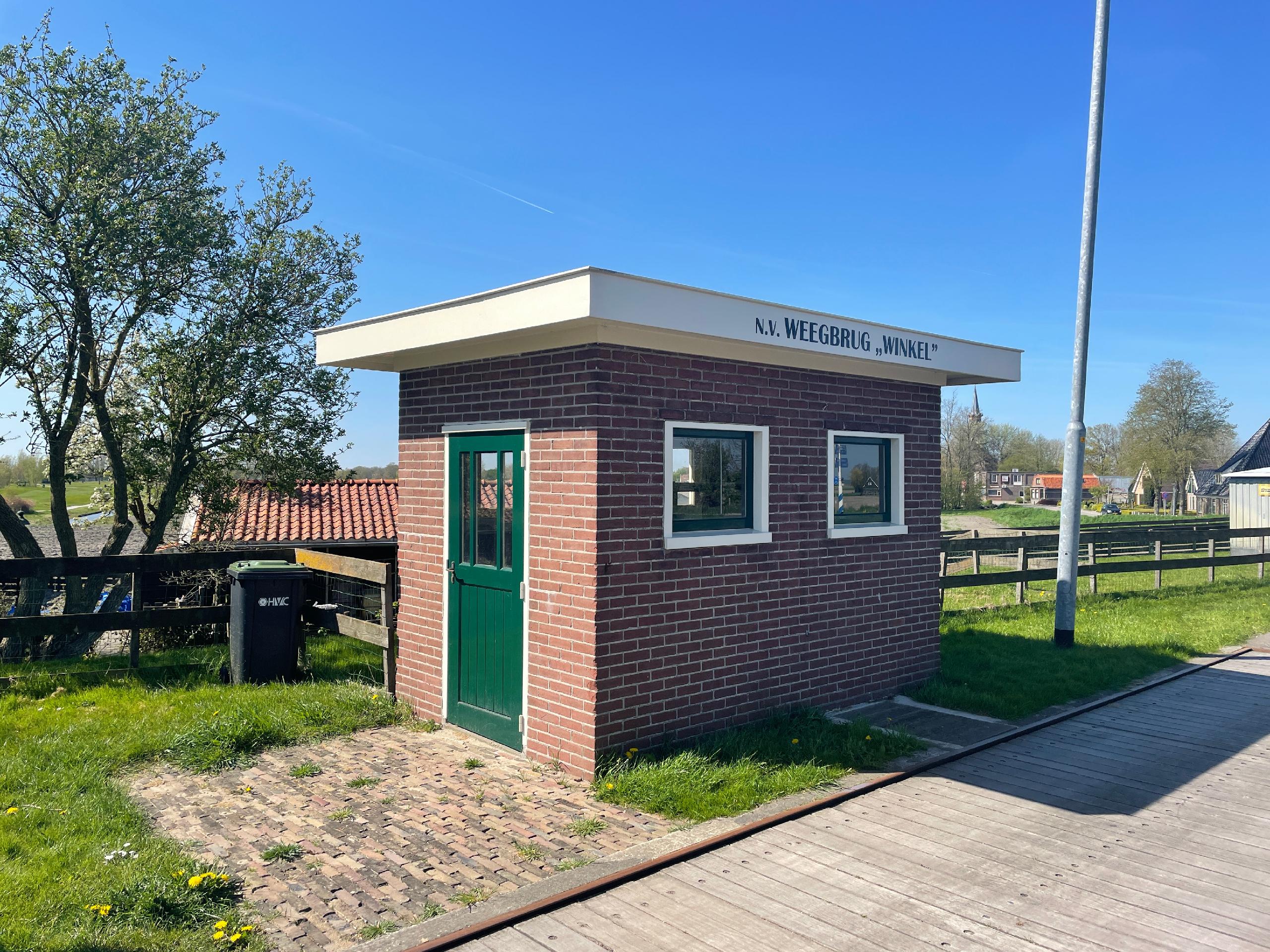

Weegbrug
Nearby locations
-
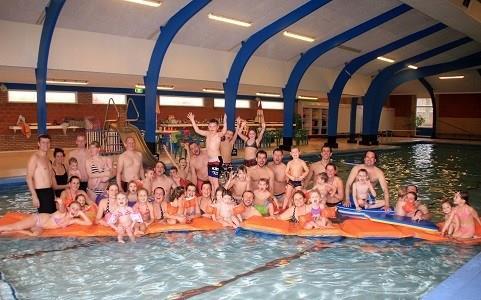
Zwembad De Wirg
-

Museum Spaansen
For the occasion of the 50th anniversary celebration in February 1996, the former house of the family Spaansen was set up as a museum. Learn about the past, present and future of the family through seeing the extensive photo collection and various utensils, used by this family business.
-
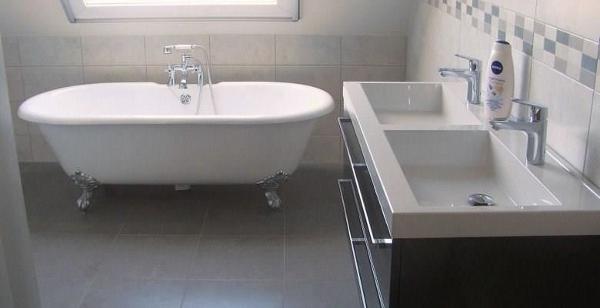
Bed & Breakfast ‘Vrij – Gezellig’
Bed & Breakfast 'Vrij Gezellig' is located in the new farmhouse, in the rural West Frisian village of Winkel. A fairly cozy place, away from the highway, where you will feel at ease. They have access to three rooms with a rural view. West Friesland is the perfect environment where you can enjoy peace, but also actively cycle or walk. Enjoy the hospitality! They recently participated in the TV program Bed & Breakfast from broadcaster MAX. The Bed and Breakfast was then rated as the best. Are you also coming to enjoy the hospitality?
-
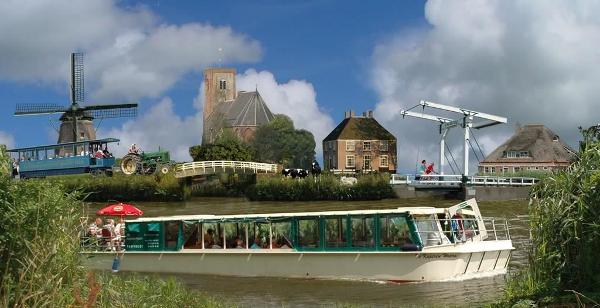
Partyship de Koperen Hoorn
Have you ever looked at Westfriesland from the water? Sailing isn't just fun, but is also about enjoying the delightful calm and fantastic green landscape of the top of the province of North-Holland. The special atmosphere on the water makes every jubilee, business meeting, daytrip, wedding or birthday into an unforgettable experience!
-
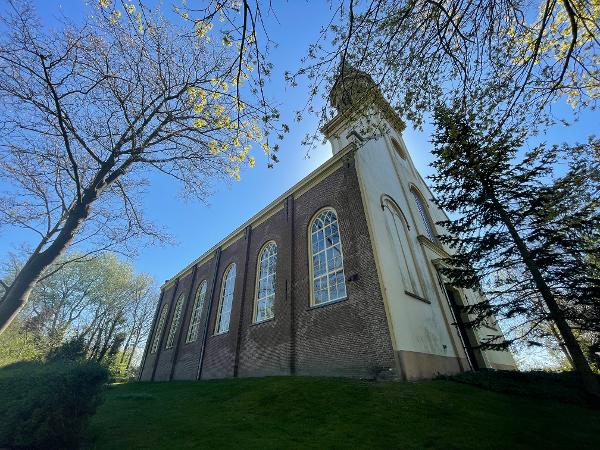
Lucaskerk
The Lucaskerk was built in 1845 on a mound.
-
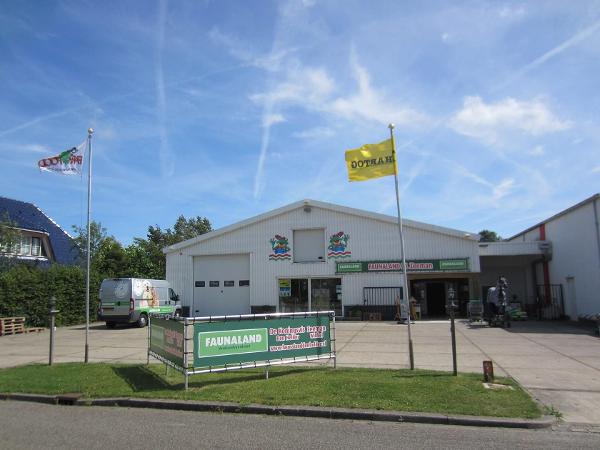
Faunaland
-
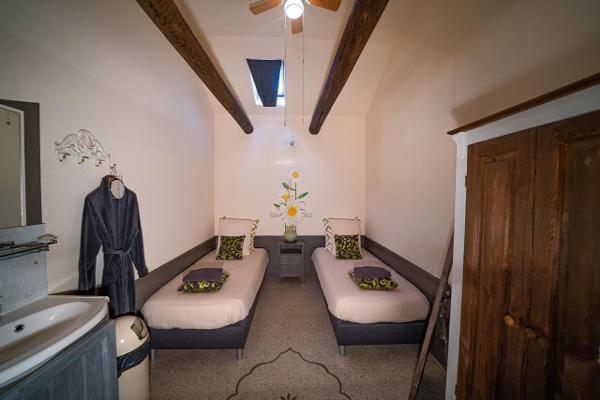
B&B Groepsaccommodatie Veldzicht
Group accommodation Veldzicht is located in the middle of the northern part of North Holland, in a rural area in an agricultural area, 800 meters from the 126 km long West Frisian Omringdijk which embraces the "Westfriesland" area.
-
Kerktoren Winkel
Demonstration of the oldest clockwork.
-

Camping ‘t Zand