


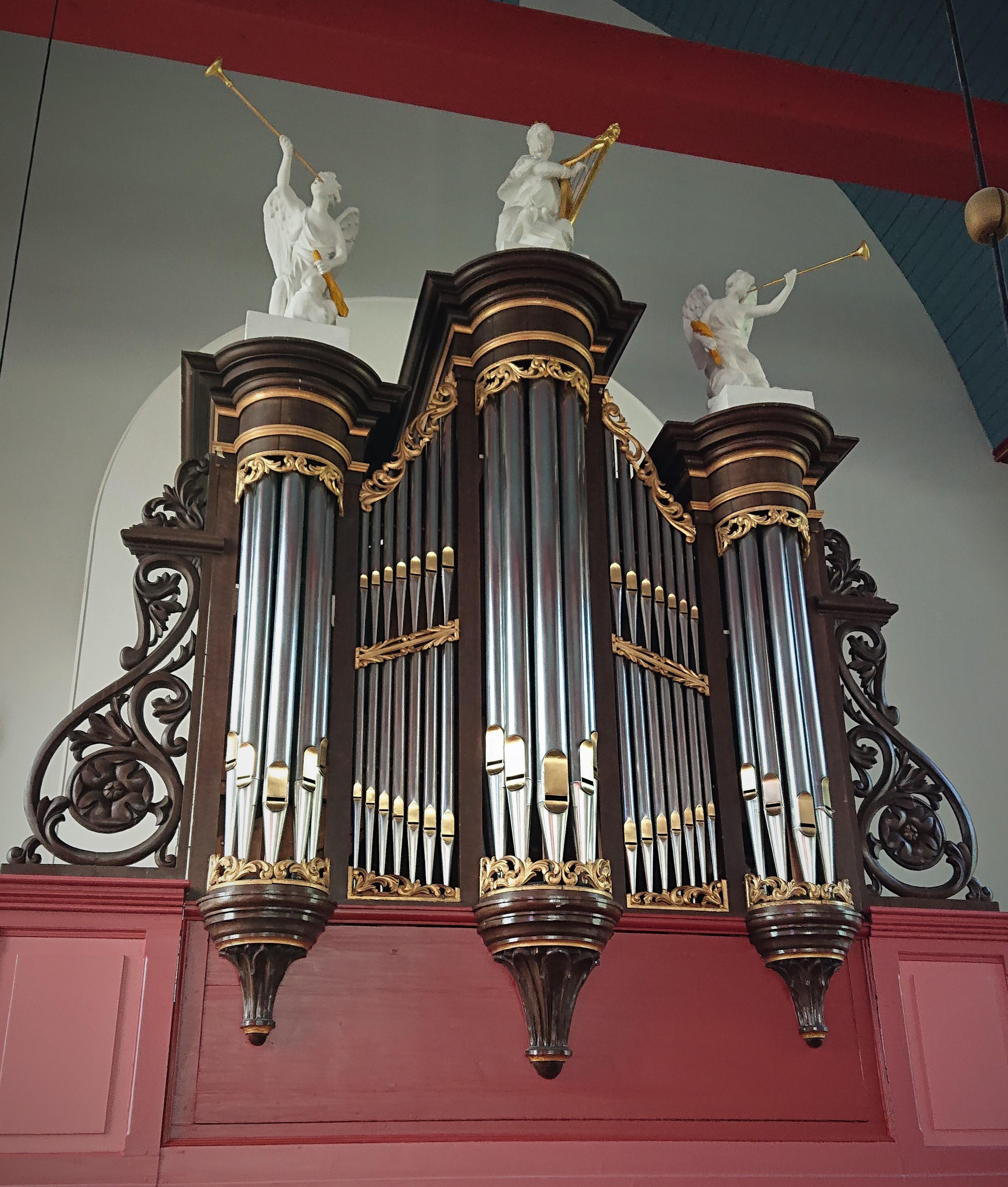
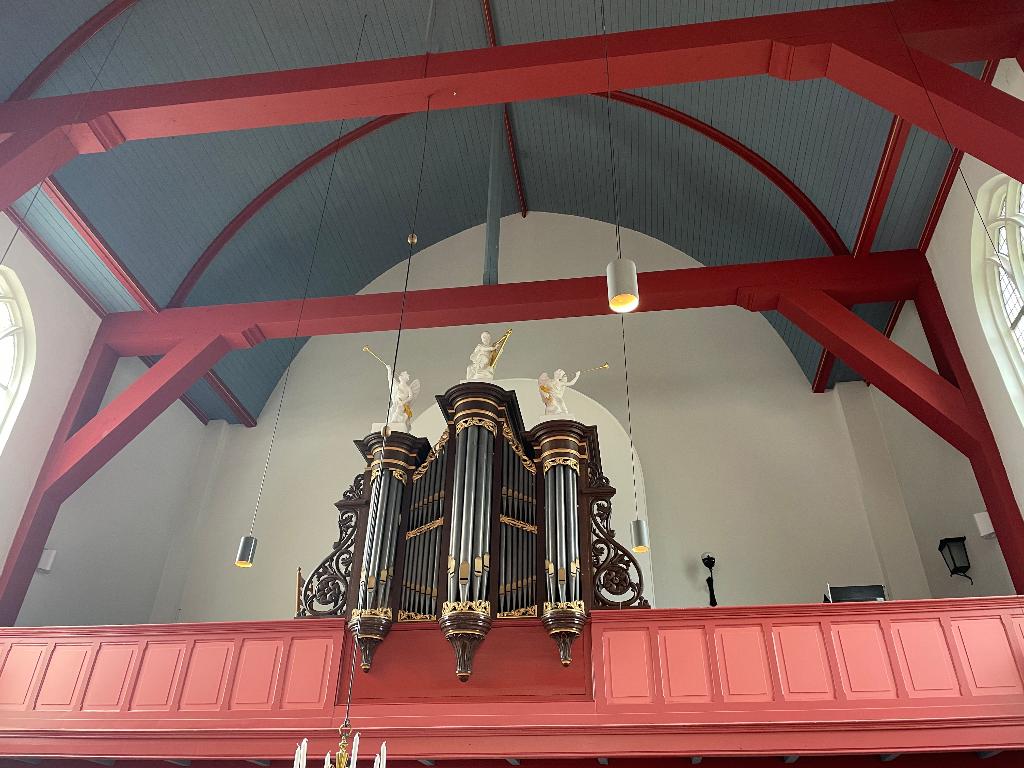
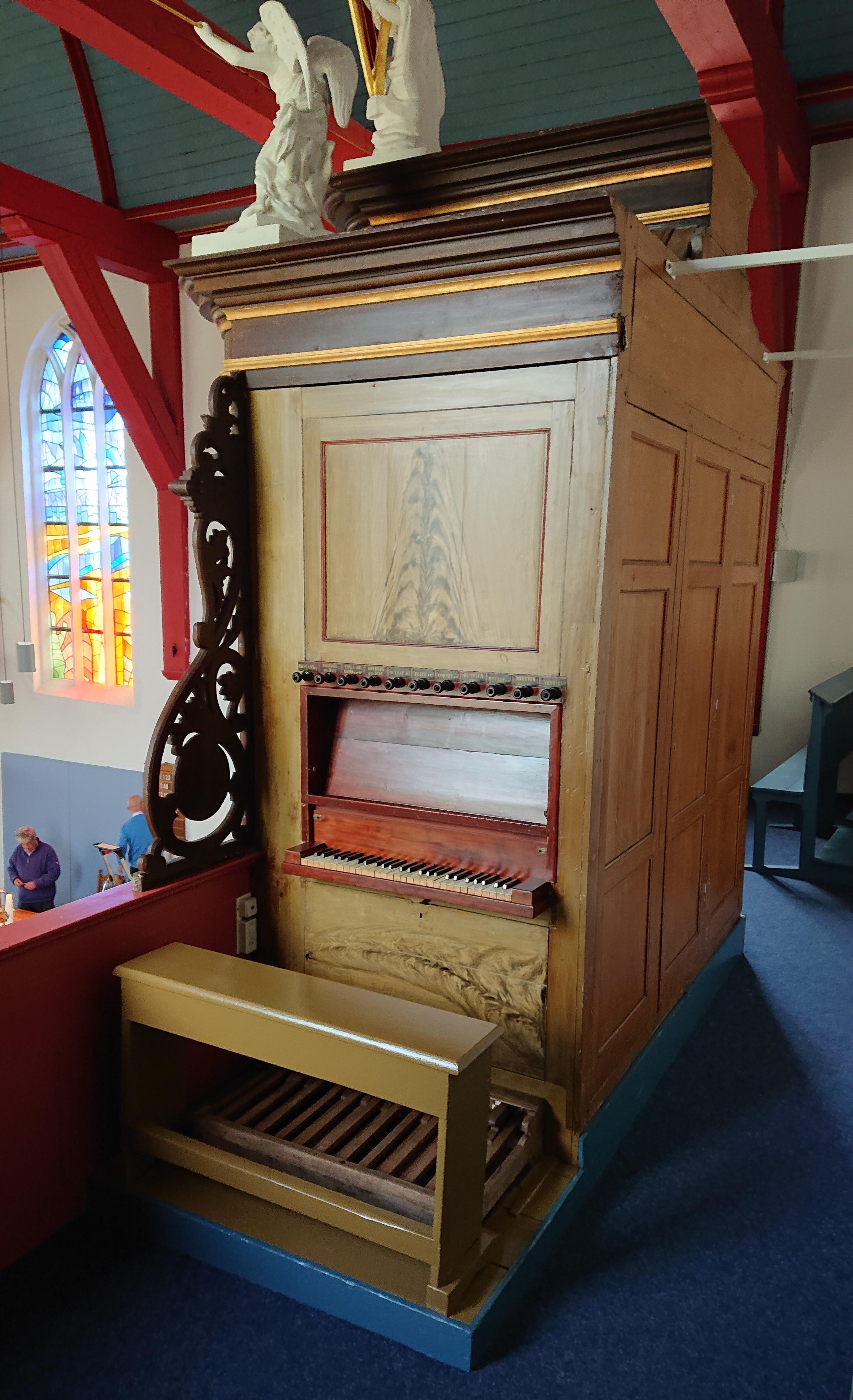
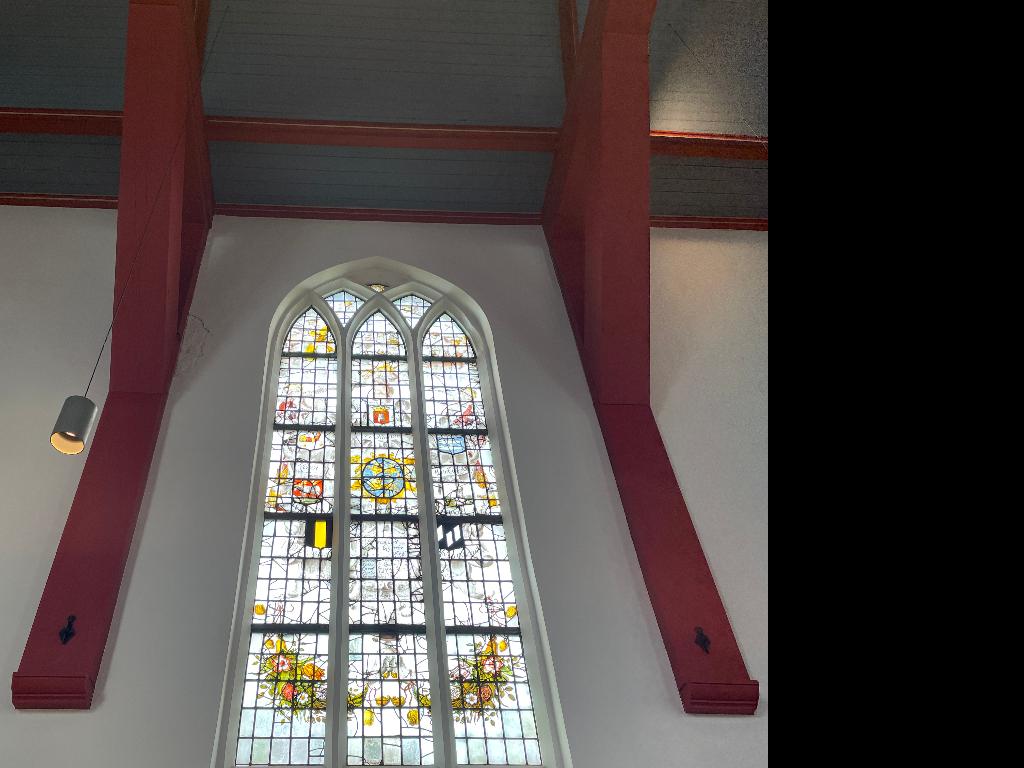
The church and tower were built in the Romanesque style in the 12th century from tuff, which can still be seen in the base of the tower and the choir. In the 13th and 14th centuries, the church was enlarged in the then current Gothic style and the tower was raised, creating the brick spire. The roof construction with a brick spire is unique and can only be found in about 20 other church towers in the Northern Netherlands. In a very heavy storm in 1674, the nave of the church collapsed and the tower was cut in half. The restoration came about in 1676 thanks to the (obligatory!) help from the towns of the Noorderkwartier, mentioned in the stained glass window by glazier Claes van der Meulen in the north facade. The oak pulpit, baptismal gate and copper chandeliers are also from this period. According to the inscription on the clock itself, the bell in the tower was cast in 1440 by the Utrecht clockmaker Butendiic. The organ was built in 1870 by the Amsterdam organ builder Hermanus Knipscheer. In 2022 it was completely restored, preserving its almost authentic state. On August 13, 1893, on the name day of Saint Hippolytus, the choir collapsed. Restoration took place in 1897. An extra meeting room was also created on the 1st floor, for which the rear wall and balcony (including the organ) were moved forward. Moreover, from that moment on, the church was equipped with state-of-the-art gas lighting. In 1975 and 1999 the church was restored again. On the latter occasion, the Wieringer artist Piet Lont was commissioned for a new stained glass window in the south facade of the church. The last renovation dates from 2015. On that occasion, the rear wall of the church hall was moved a little further, creating space for the kitchen, the toilet group and a lift. Church, tower and organ are registered in the monument register as national monuments. The Friends of the Hippolytus Church Foundation organizes cultural activities with several concerts and exhibitions. In the summer months the church is open for visitors. The Protestant municipality of Wieringen traditionally celebrates worship services on Sunday morning. Sources: Text provided by the Friends of the Hippolytuskerk Foundation
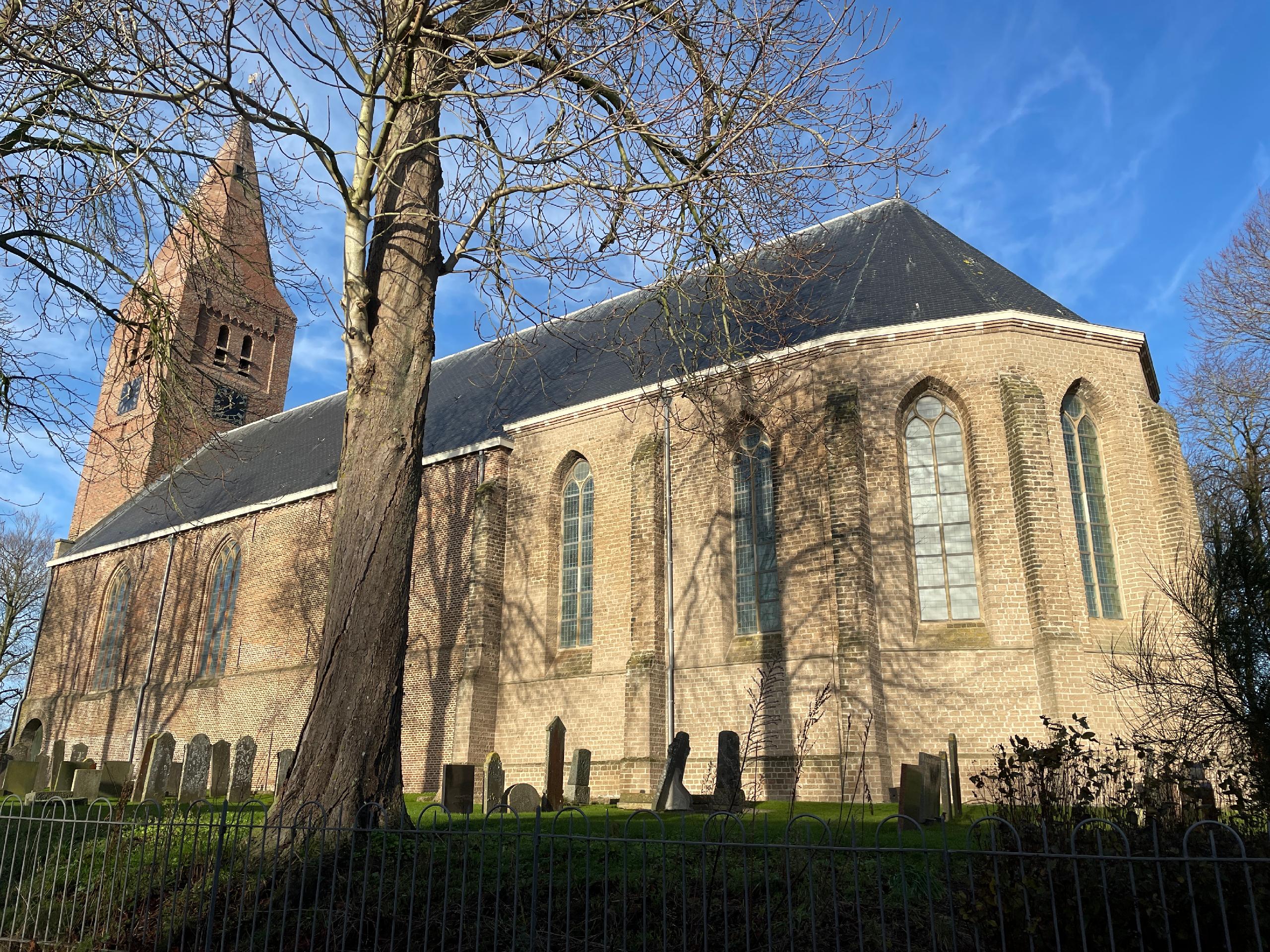

Hippolytuskerk
Nearby locations
-
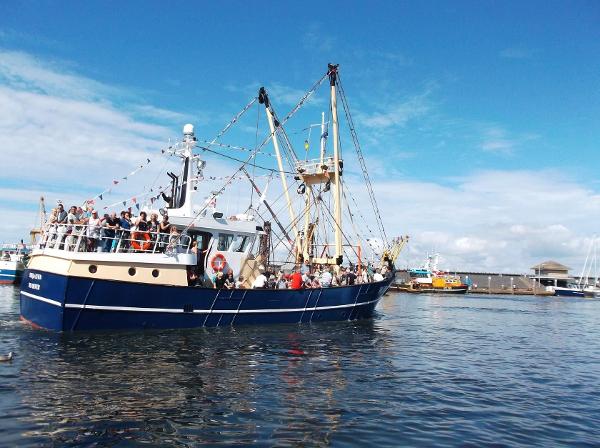
Garnalenvissen
Shrimp fishing and sailing past spoonbills and seals from the harbor of Den Oever with the WR117. Arrival with coffee on board. Cruise through the fishing port of Den Oever and the discharge sluices in the Afsluitdijk. When we leave the harbor, the net is set and we let the guests view the catch in buckets of water, so that everything stays alive. During the return trip, some of the large shrimps are cooked on board. Shrimp can be peeled and tasted. Our deck is partially covered, so this tour can continue even in bad weather.
-
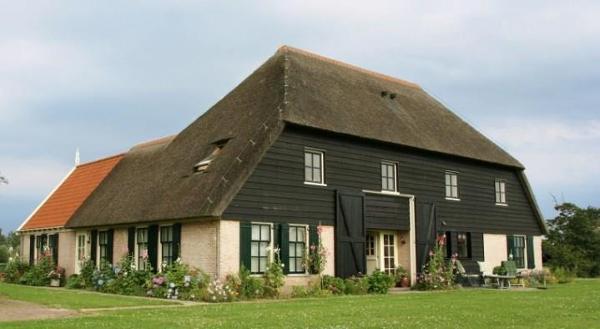
Koningsveld, B&B
Have a very pleasant stay in one of the two appartements situated in this beautiful Wieringer farm right in the middle of the rural countryside of Wieringen. Wieringen, a former island, now connected to the mainland by the Aflsluitdijk en Amsteldiepdijk lies at the Waddensea and the lakes: Amstelmeer and IJsselmeer. It's only 15 minutes drive to the Nordsea beach. You will find lots of space and possibilties like surfing, sailing, swimming, wad-walking, biking,walking, fishing or sealspotting. This is where you will find our B&B 1.5 km outs
-

Bocado
Bocado cheese and delicacies: the address in North Holland for real gourmets. We stand for pure, refined and responsible. Our products are selected with taste and attention. Out of love and passion for food.
-
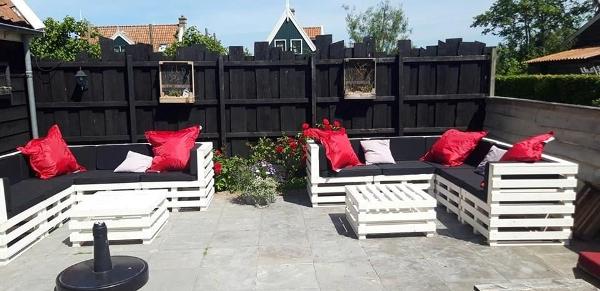
Restaurant Bij Ons Thuys
Behind the dike, directly on the Wadden Sea, you'll find Restaurant Bij Ons Thuys at the Recreation Park. A beautifully situated location where you can go for a cup of coffee with cake, a lunch, a quiet terrace for a drink with a snack or eat a nice snack in the evening. Accessible & cozy! Also for parties and parties you are at the right place at the Restaurant!
-
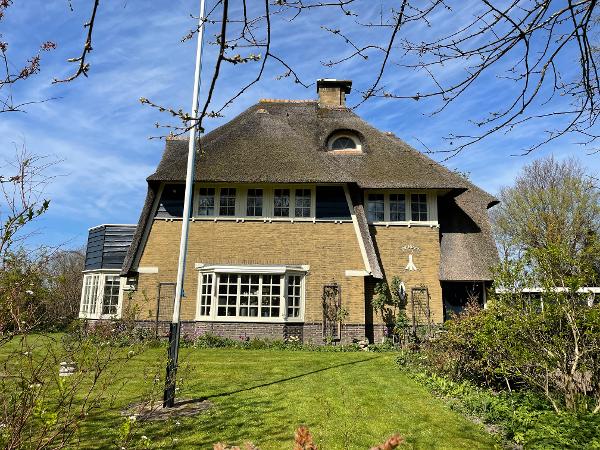
Villa Zuiderzeewerken ‘De Haven’
The detached villa 'De Haven' was built in 1928 for a member of the management of the Zuiderzee Works.
-
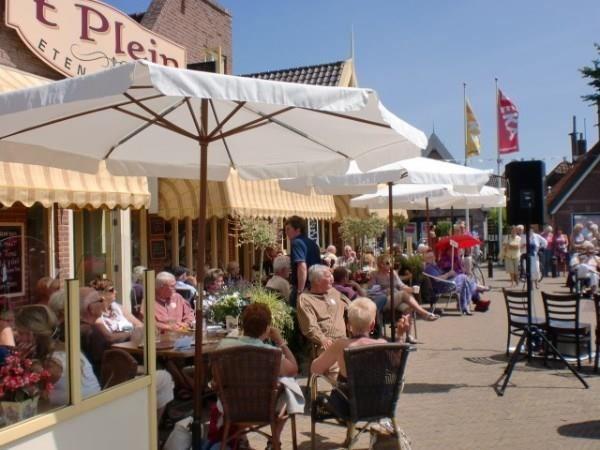
De Smulhoek
In the beautiful town of Hippolytushoef in North Holland you will find a food and snack corner: the Smulhoek. Hippolytushoef is surrounded by walking and cycling routes that take you through the history of the former island of Wieringen. De Smulhoek is an attractive restaurant with a beautiful sunny terrace. Easy to find, and a wide range of free parking spaces in front of the restaurant. Children with a special children's play corner have also been considered.
-
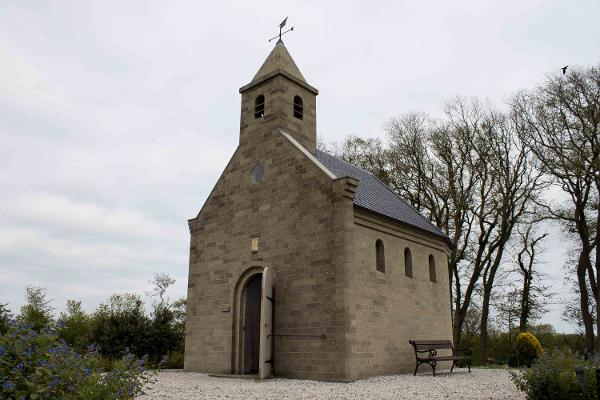
Heidense kapel – Smerperweg
The Heathen Chapel at the cemetery on Stroe is special because, according to tradition, a small church has stood on this location since around 700 AD. The chapel was built in 2016 on the initiative of local residents.
-
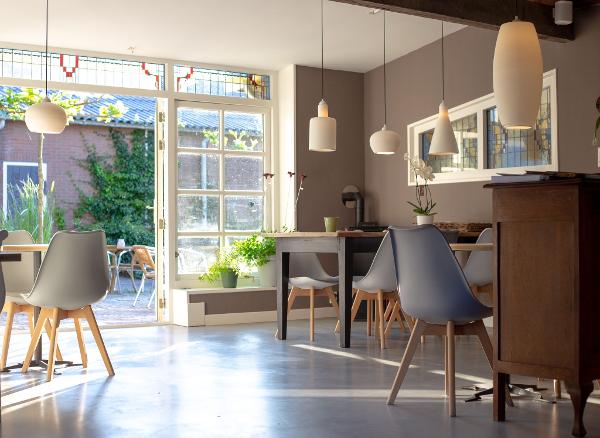
Koffiehuis Op Zestien
A coffee/tea house where you can have a nice drink while enjoying something delicious.
-

Voormalig patronaatsgebouw
The patronage building was built in 1906 for the education of the Roman Catholic youth of the adjacent church.