
'/%3E%3C/svg%3E)

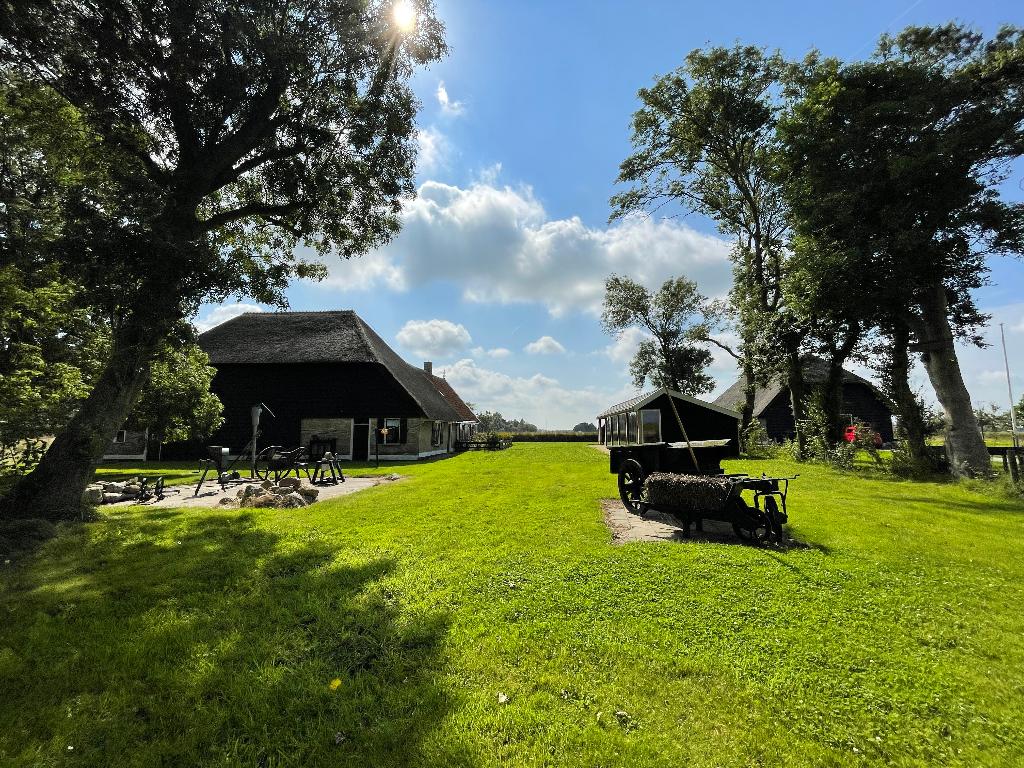
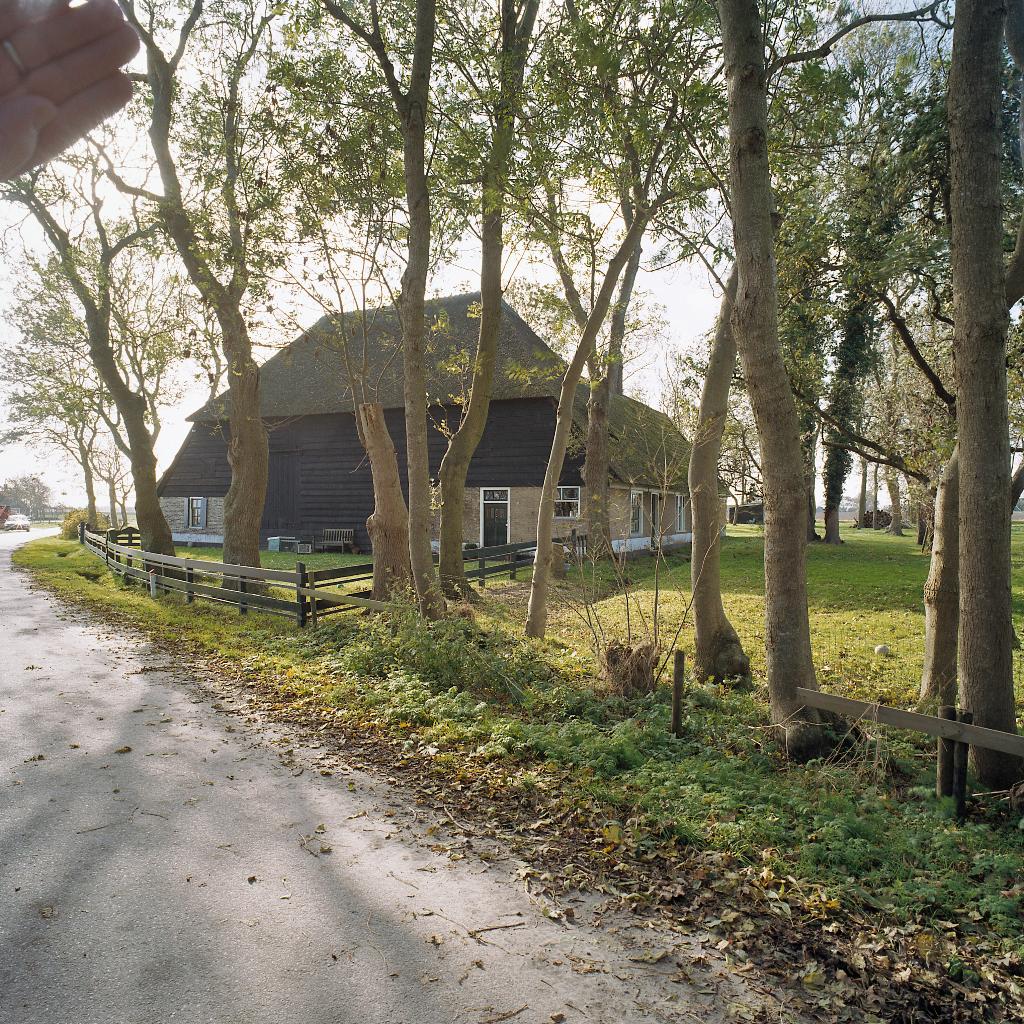
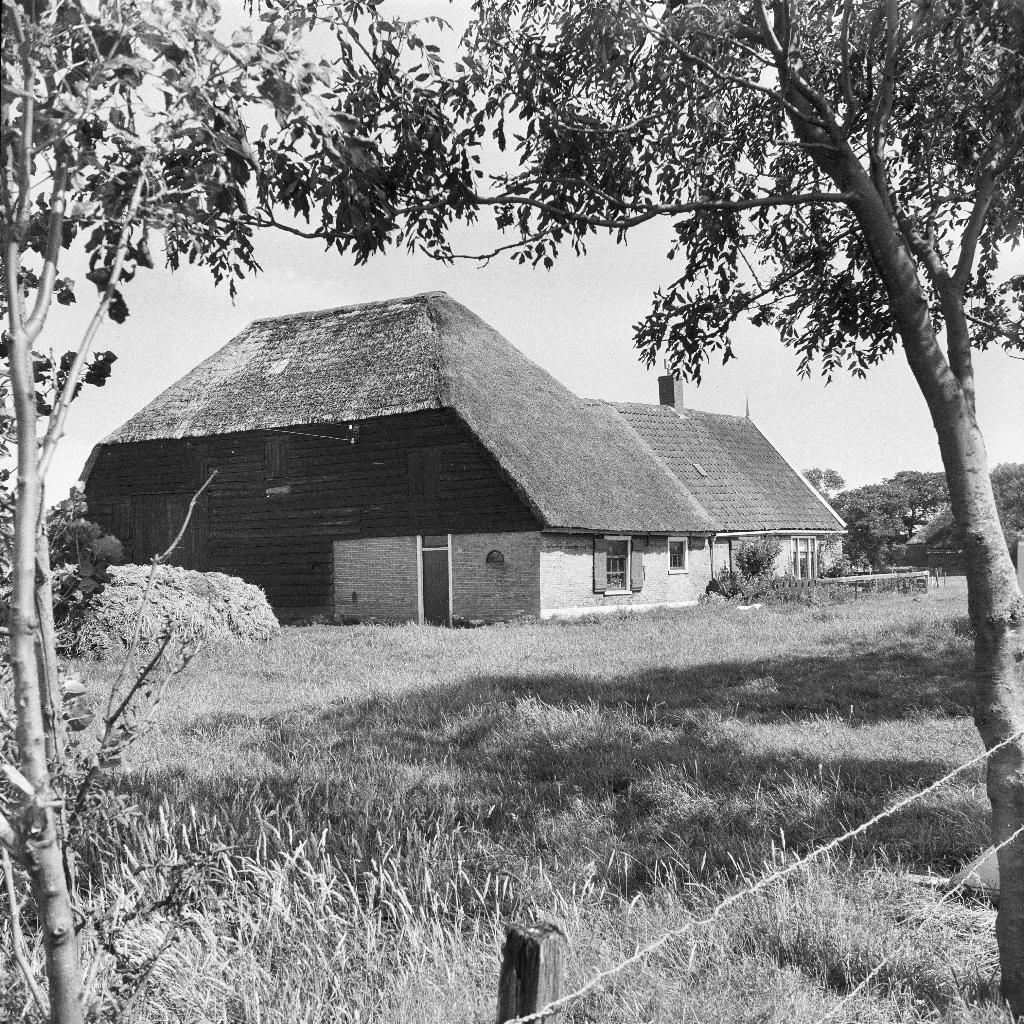
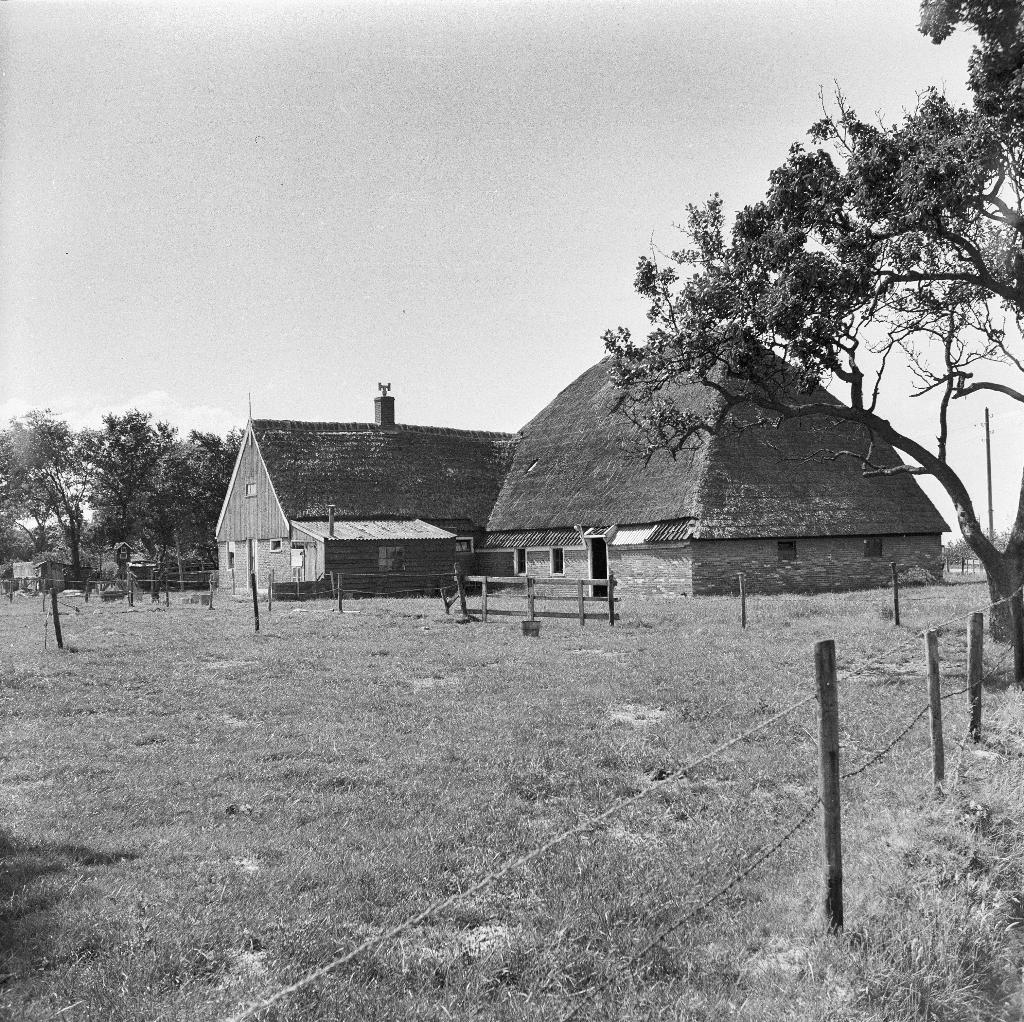
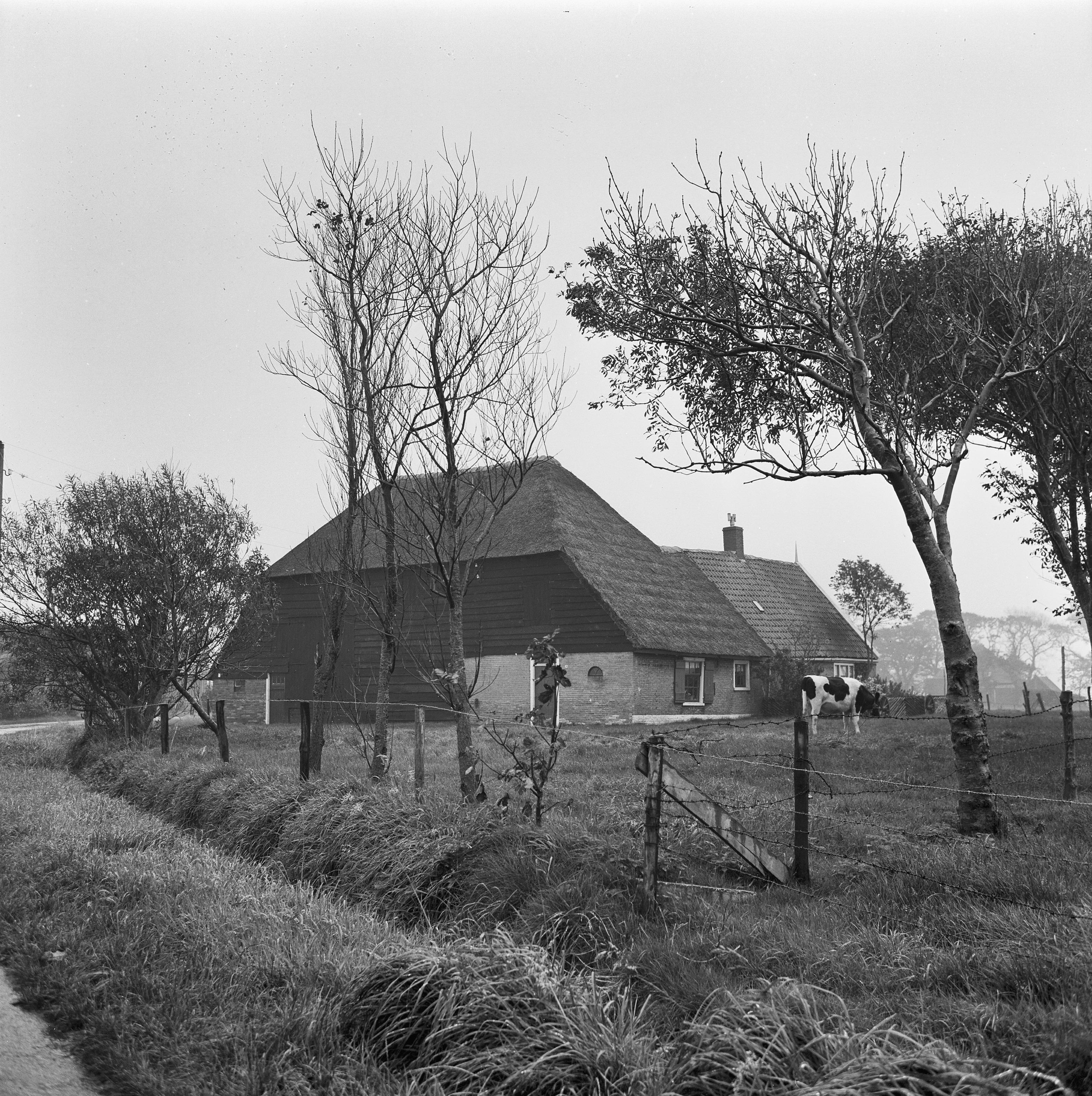
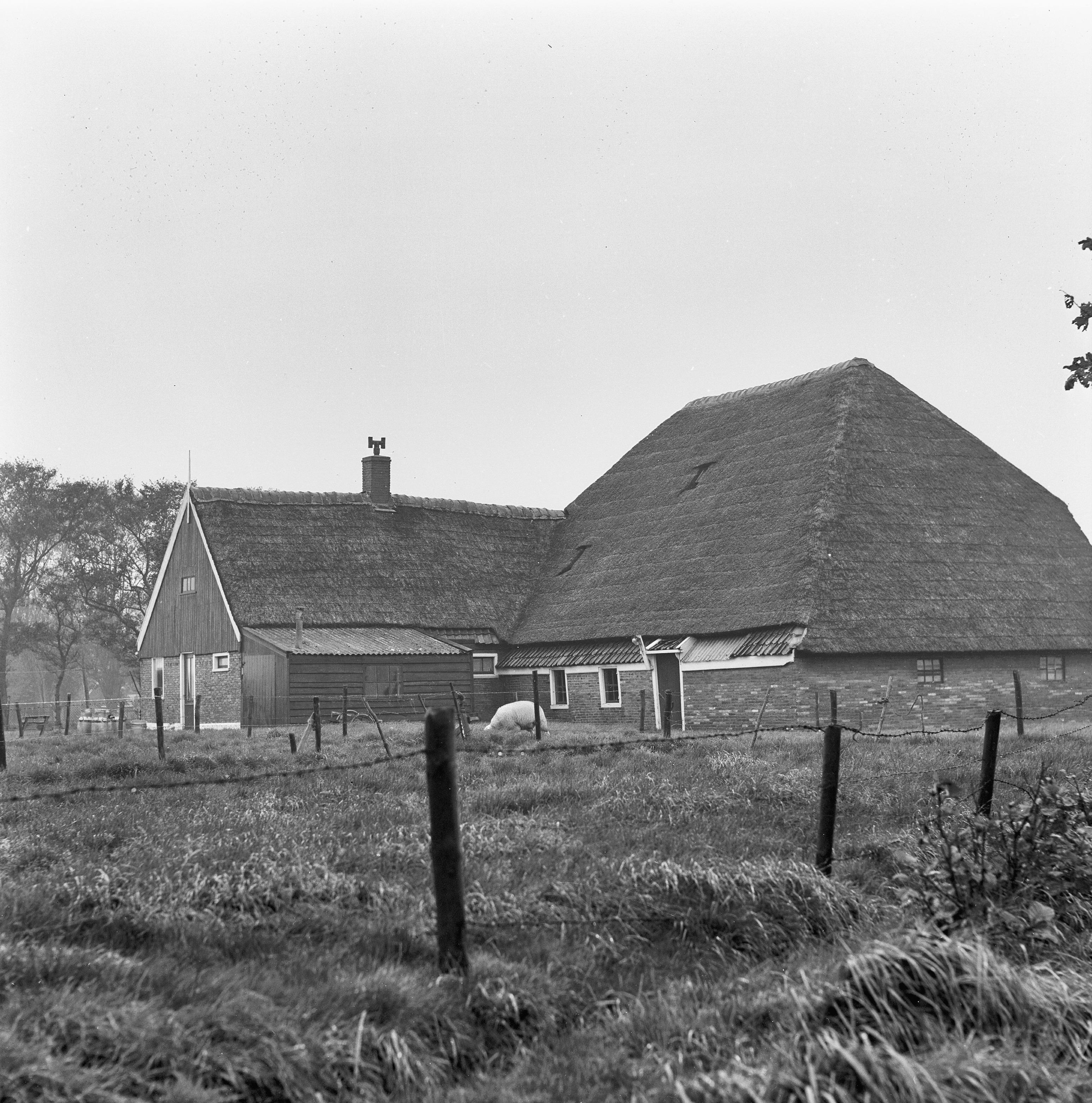
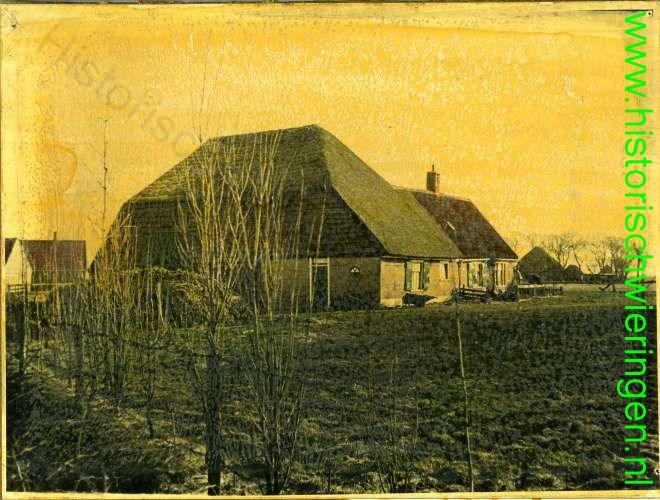
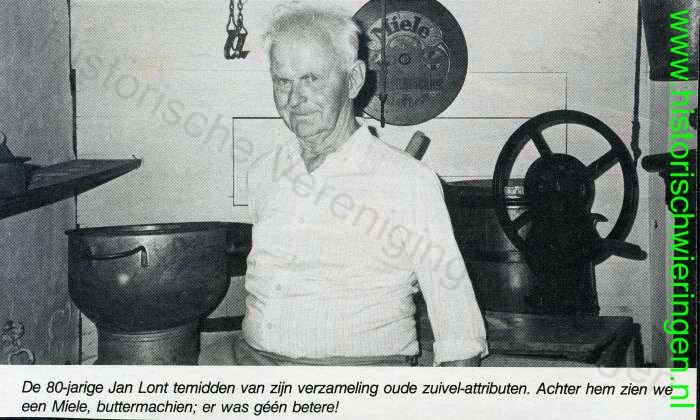
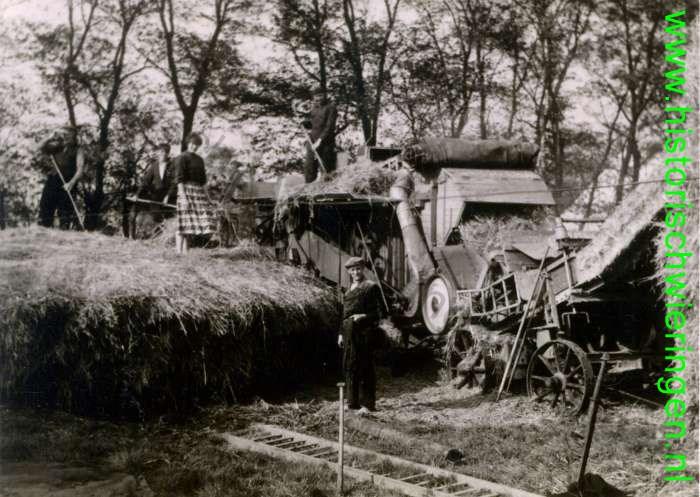
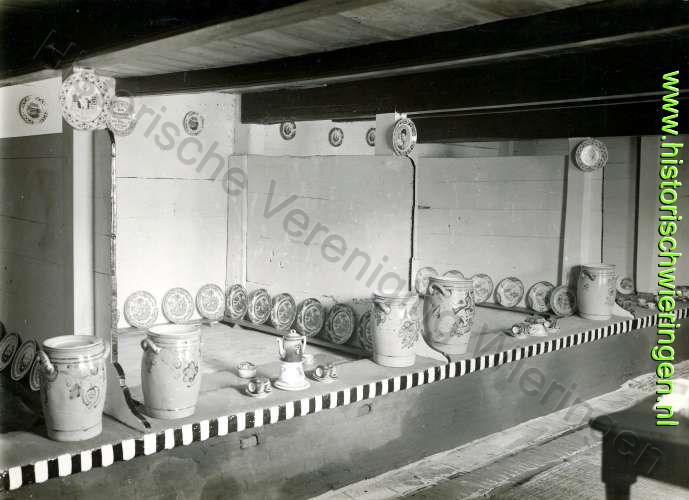
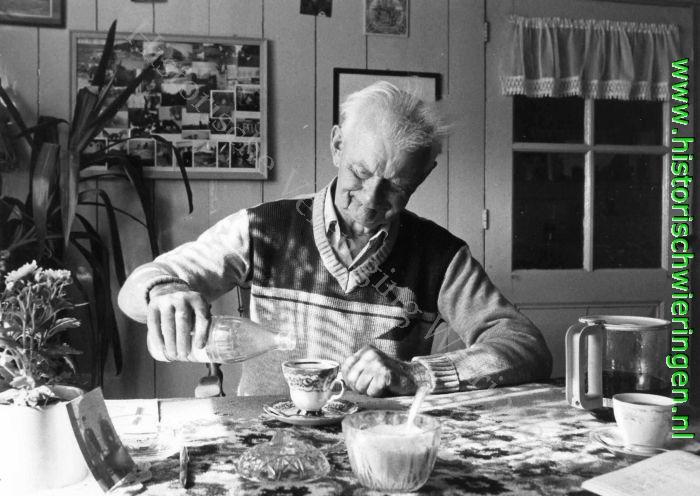
The monumental Wieringer farm from 1854 is covered with reeds. There was room for 6 cows, a horse and a few sheep. The house is covered with the old Dutch roof tile. Interior elements have been preserved in the traditional farmhouse, such as the bedsteads and a characteristic fireplace, but the stable can still be recognized as such. The last inhabitants of this traditional Wieringer farm are Jan Lont and brother Jaap Lont. For years, Jan collected everyday items to preserve Wieringen’s cultural heritage. Many Wieringers brought tools or other items to Jan to enlarge the cultural-historical collection. In 1991 the farm was sold for 1 guilder to the ‘Vereniging Museum Jan Lont’. Jan always lived in the museum farm until his death. In the Wieringer Eilandmuseum Jan Lont you imagine yourself in the time when Wieringen was still an island. The daily life of the islanders has been preserved here. From everyday objects to agricultural tools and nets for fishing. There is also plenty to see in the yard around the farm. Sources Wieringer Island Museum Jan Lont via www.museumjanlont.nl Historical Association Wieringen via www.archiefhvw.nl Infinite North Holland via www.onh.nl North Holland Farm Foundation via www.boerderijenstichting.nl/beeldbank Reasonable description of the monument via www.monumentenregister.cultureelerfgoed.nl
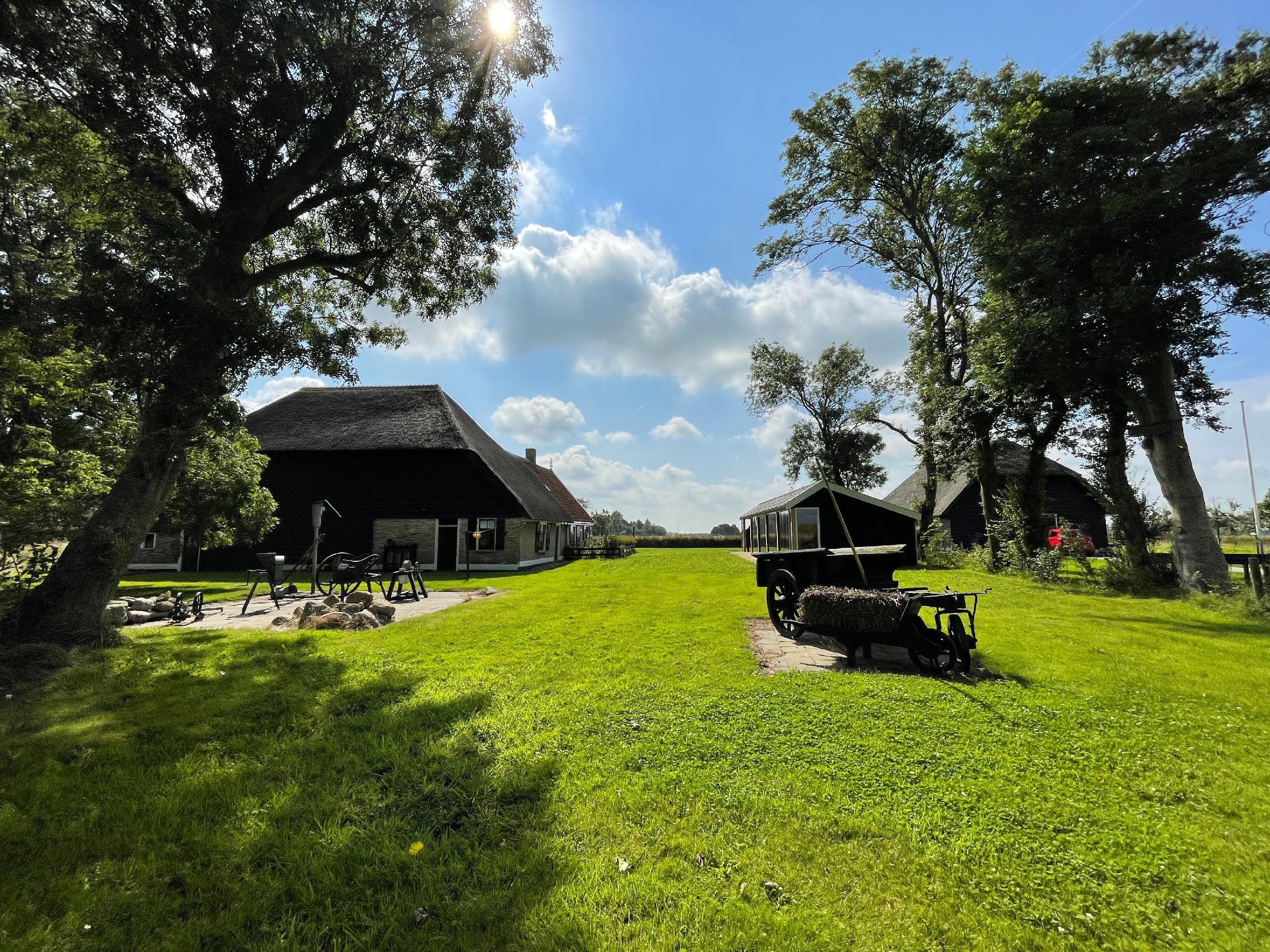

Wieringerboerderij Jan Lont
Nearby locations
-
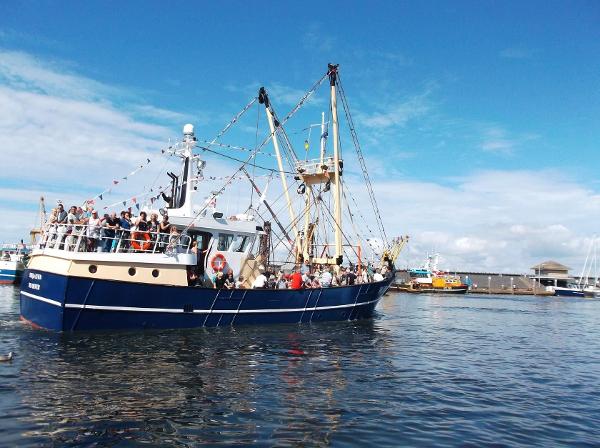
Garnalenvissen
Shrimp fishing and sailing past spoonbills and seals from the harbor of Den Oever with the WR117. Arrival with coffee on board. Cruise through the fishing port of Den Oever and the discharge sluices in the Afsluitdijk. When we leave the harbor, the net is set and we let the guests view the catch in buckets of water, so that everything stays alive. During the return trip, some of the large shrimps are cooked on board. Shrimp can be peeled and tasted. Our deck is partially covered, so this tour can continue even in bad weather.
-
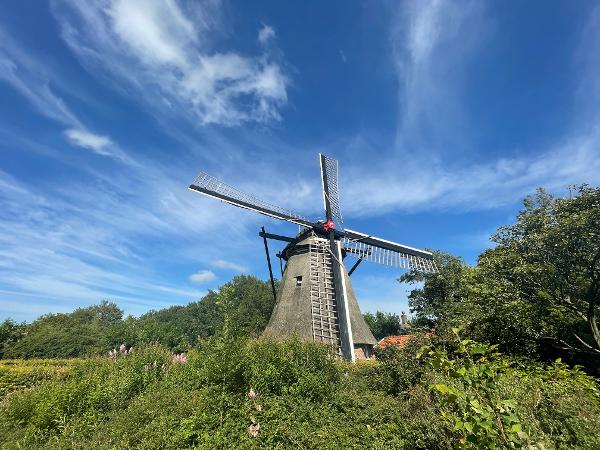
Molen De Onderneming
The mill was built in 1851 as a corn and hulling mill. The voluntary millers keep the mill running regularly.
-
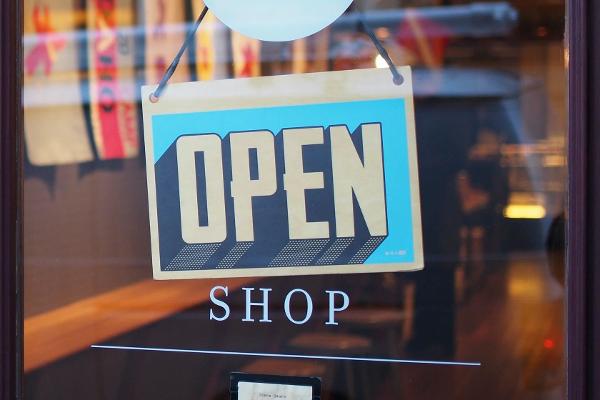
Bakkerij Bellis Hippolytushoef
The wonderful scent of fresh bread and the tastiest pastry smell you already on the street. Your mouth will water ... Then you know immediately: Just drop in at the Wieringer bakery Edwin Bellis!
-
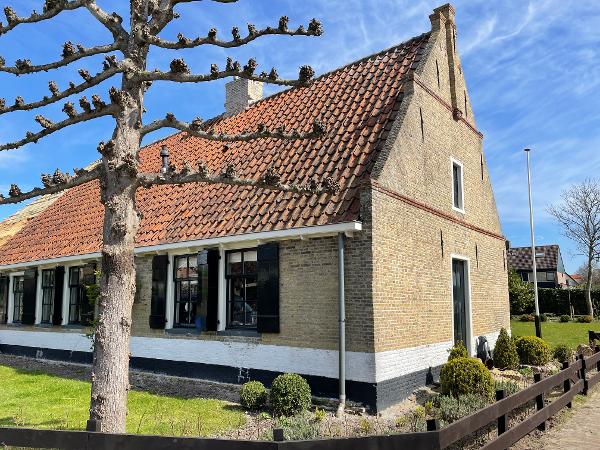
Wieringerboerderij – Elft 42
In de top van de voorgevel van deze Wieringerboerderij is het bouwjaar 1734 gemetseld. Maar vermoedelijk is de boerderij 17e-eeuws vanwege het historische metselwerk.
-
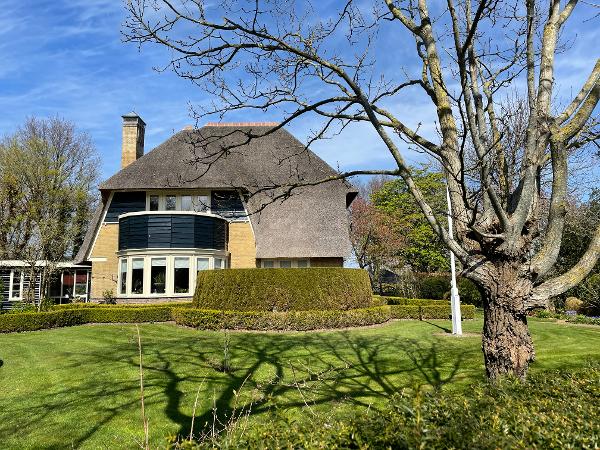
Villa Zuiderzeewerken Gemeenelandsweg 12
The detached villa was built in 1928 for a member of the management of the Zuiderzee Works.
-
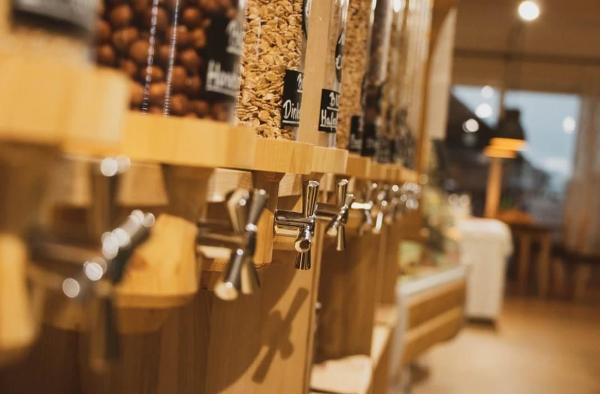
Uit Eigen Streek
Uit Eigen Streek offers the most delicious Dutch regional products and delicacies. At Uit Eigen Streek you will find a multitude of special gifts and tasty flavors from all over the country, including many from North Holland and the Wadden area. Consider, for example, cranberry and sea buckthorn products, Dutch garlic products, Wieringer Jodenkoeken, real farmhouse cheese, organic dairy and strawberries.
-
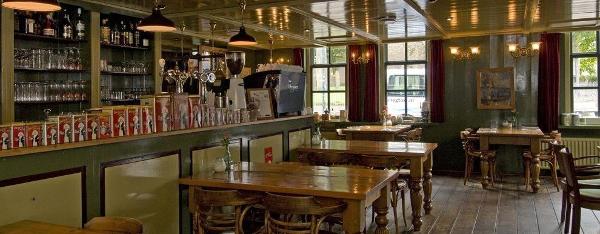
Restaurant Ongder de Kukel
Welcome at Restaurant Ongder the Kukel. Ongder the Kukel is wonderfully sumptuous dining with famil, friends or colleagues. The owners Berber Lange and Henry Heutink will warmly welcome you in this cozy restaurant.
-
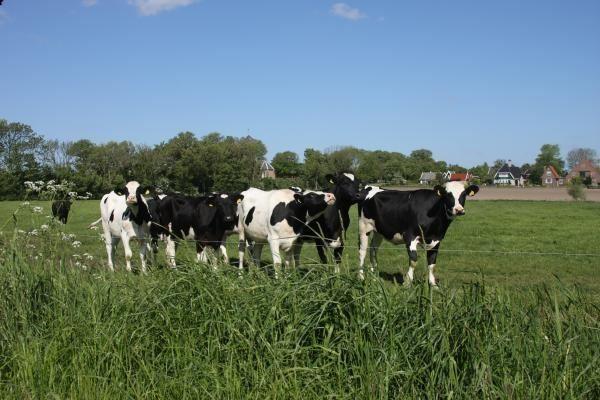
IJs- en zuivelboerderij De Wieringer
'De Wieringer' is open every day from 8 a.m. to 7 p.m. You can choose your dairy products yourself and pay (cash). There is also a picnic area here. Here one buys among other things: ice cream, yogurt, fresh milk, cottage cheese, jam, fruit yogurt and syrup. The 'ice cow' with ice cream (scoop) is outside during the weekend (unless the ice cow is on a market elsewhere, this is always indicated on the Wieringer's Facebook page).
-
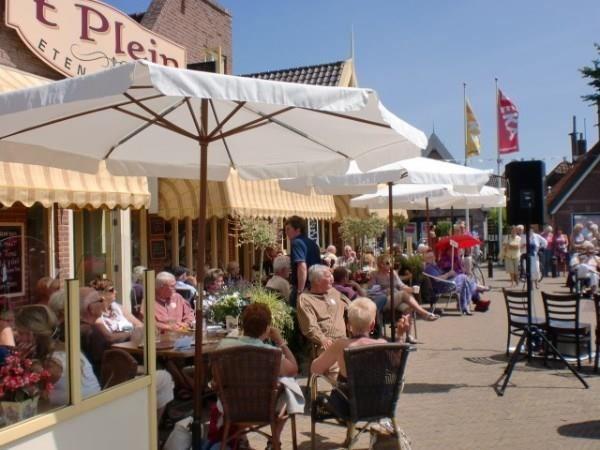
De Smulhoek
In the beautiful town of Hippolytushoef in North Holland you will find a food and snack corner: the Smulhoek. Hippolytushoef is surrounded by walking and cycling routes that take you through the history of the former island of Wieringen. De Smulhoek is an attractive restaurant with a beautiful sunny terrace. Easy to find, and a wide range of free parking spaces in front of the restaurant. Children with a special children's play corner have also been considered.